
In The Field
Footprint Project Blog
From Response to Resilience: Two Years After Hurricane Helene
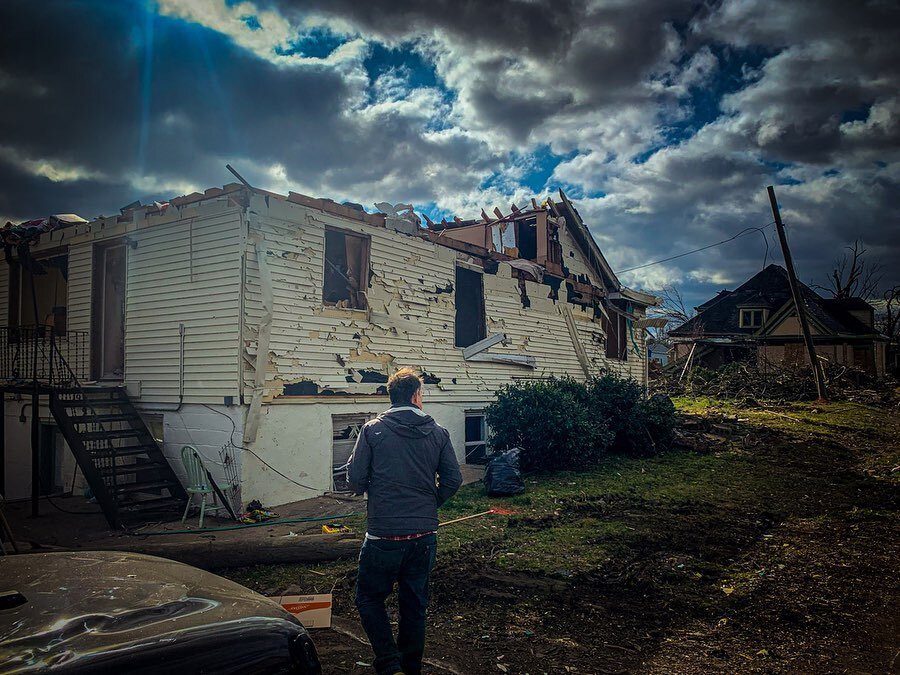
Two years ago, Hurricane Helene cut Western North Carolina off from power, water, and one another. Fire stations we kept running on temporary solar now have permanent microgrids. Donated equipment has reached more than 120 individuals and families, and many of the people we met in those first days are now our partners. Here's a look back at two years of renewable response and recovery, from the first solar generators in shelters to the resilience hubs powering communities today.
Footprint Project Summer 2026 Updates
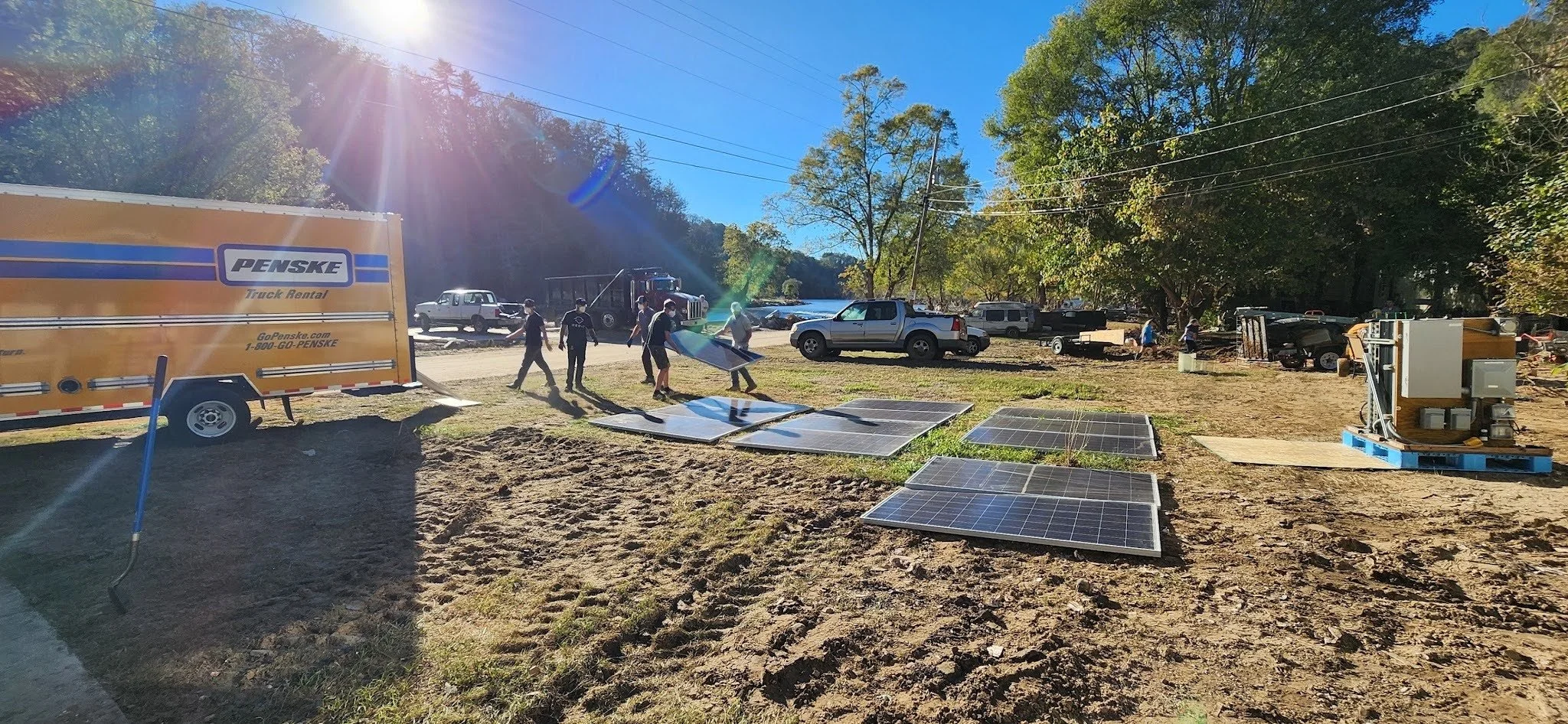
Late summer is the start of our busiest season. By the last week of August 2026, we received disaster support requests from communities reeling from fires in Washington and Nevada, floods in West Virginia, storms in Tennessee, and Hurricane Lala in Hawai’i. Read more about our work in response and resilience with clean energy.
Gathering Organizations for the Inaugural Resilience Fest
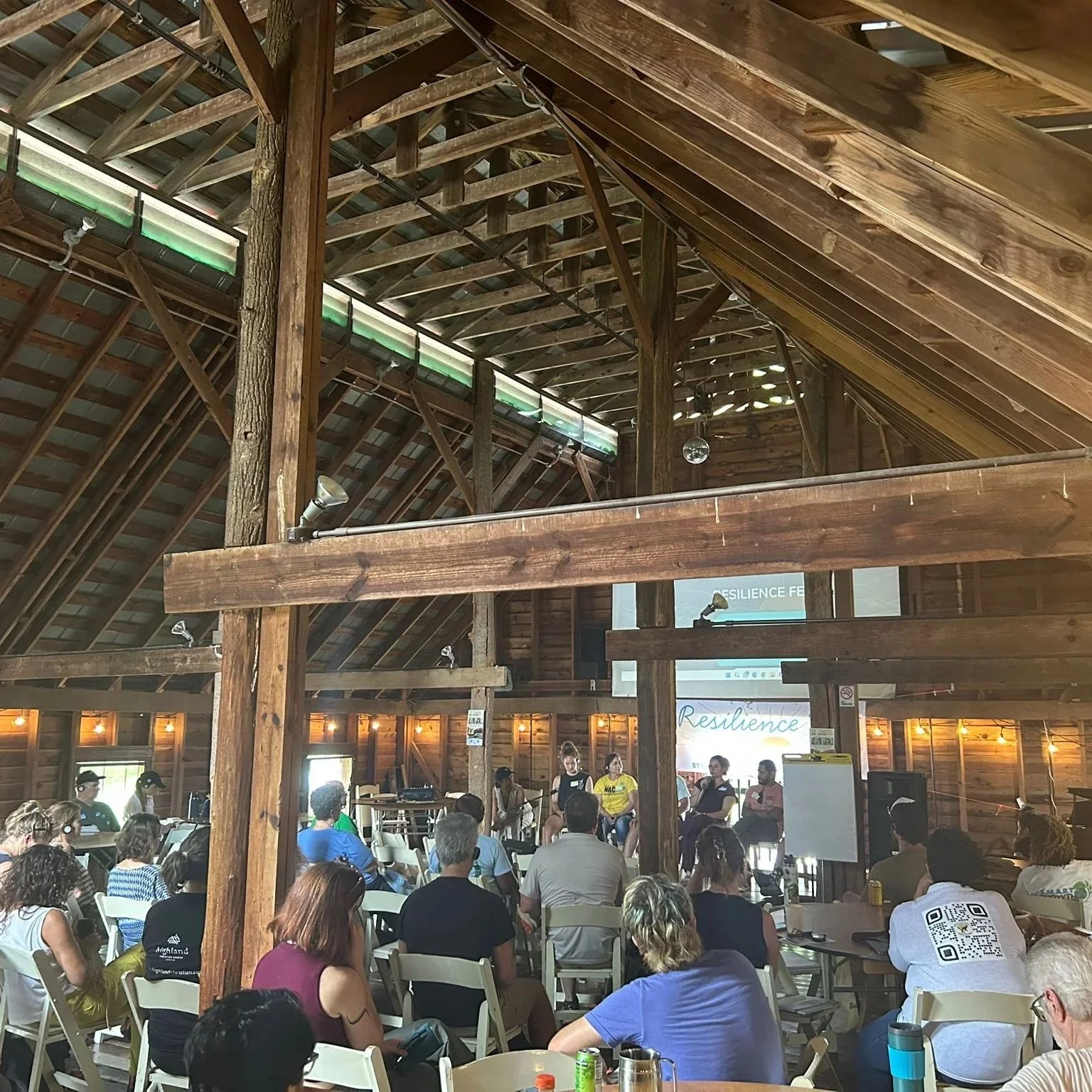
On July 30-31, 2025, we gathered 200 folks from 120 organizations within our community of responders in Black Mountain, NC, for the inaugural Resilience Fest. Not quite a conference and more than just a festival, this event brought together individuals and organizations with firsthand experience in sustainable, community-based disaster response and recovery. We met, laughed, cried, learned, danced, trained, shared, and prepared.
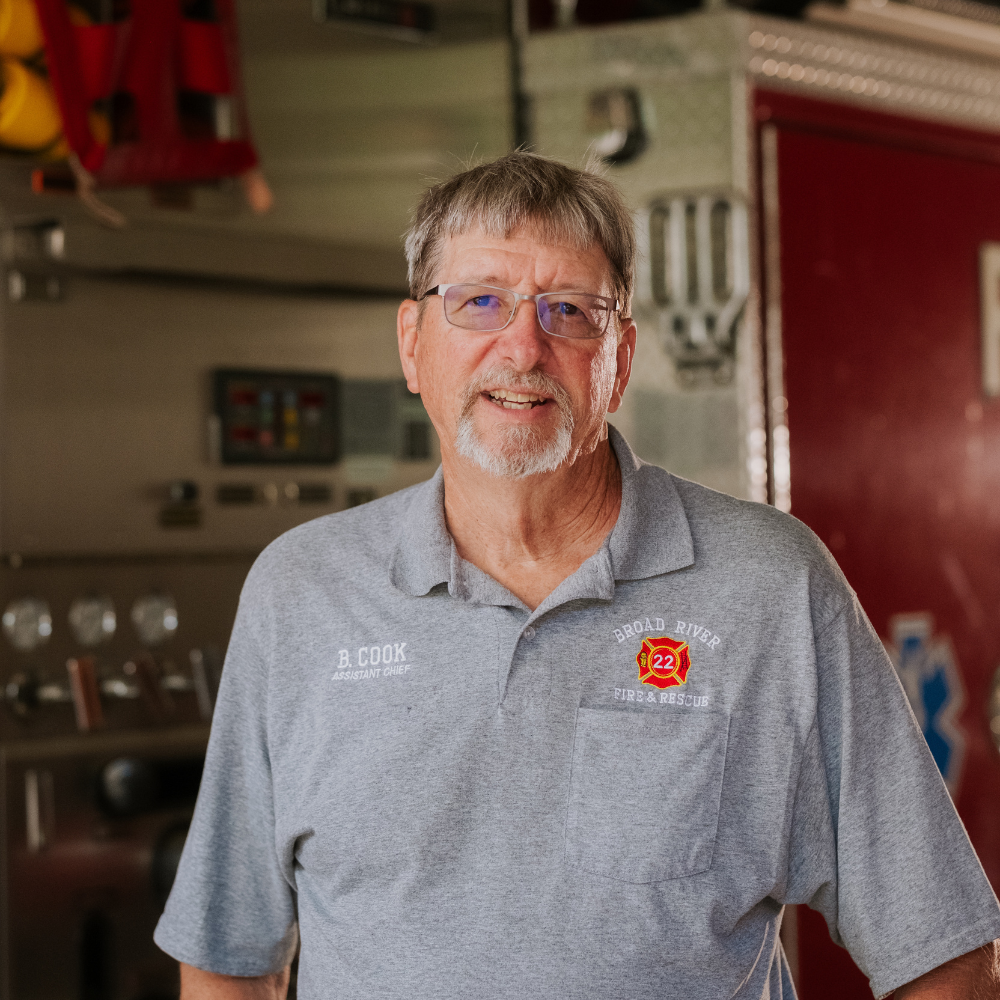
The Fire Station That Didn't Go Dark: Inside Broad River Fire Department’s Solar Microgrids
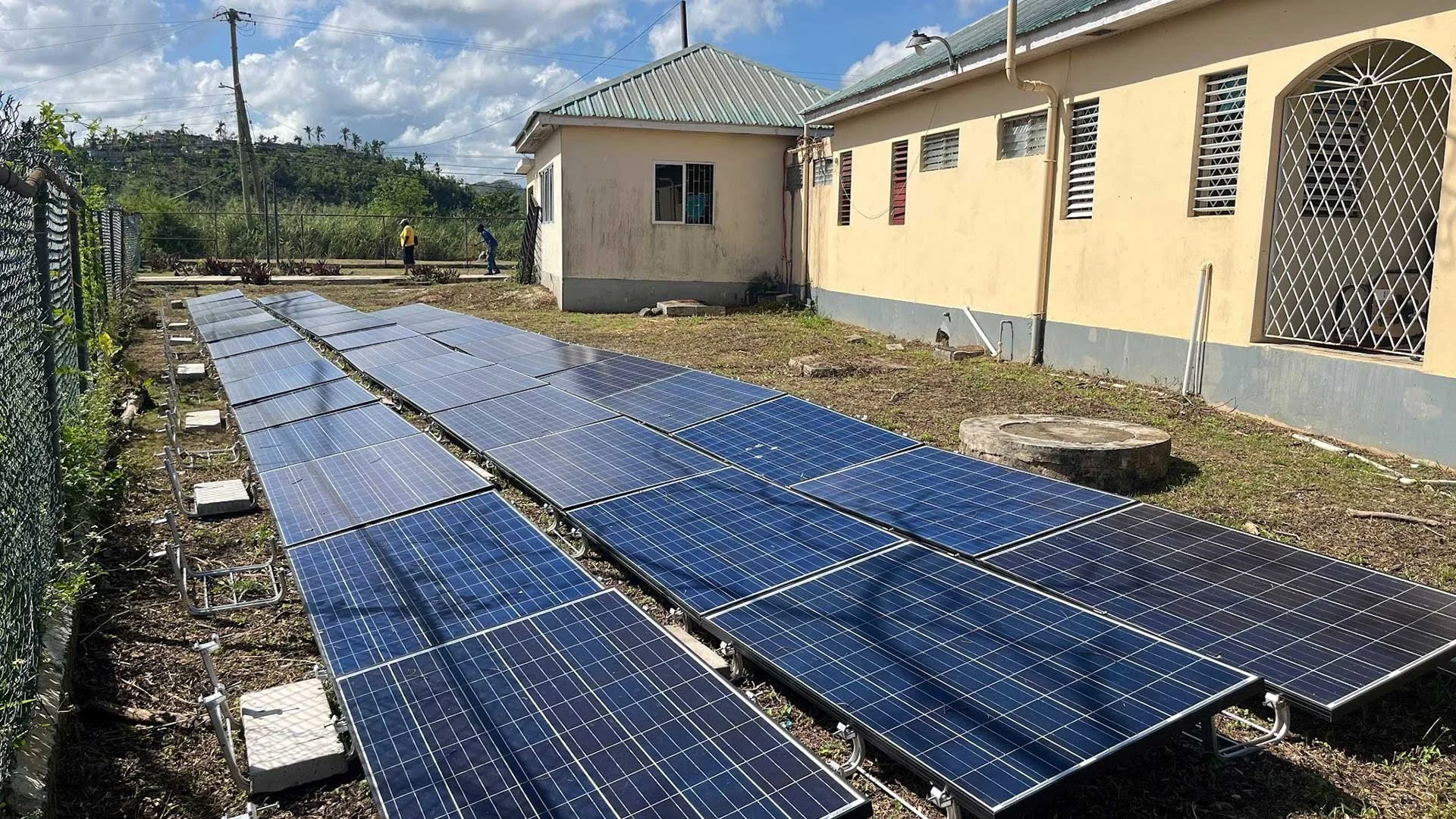
Before, powering Broad River Fire Department's Shumont Substation during outages meant relying on loud, polluting gas generators that needed constant refueling. Now, a solar microgrid powers the station and has created a resilience hub that's no longer reliant on the main electrical grid or gas generators. Community members can rest assured that they have a reliable place to go for clean water, emergency communications, and refuge when facing a natural disaster. Solar power serves as an integral tool to keep the fire department up and running.
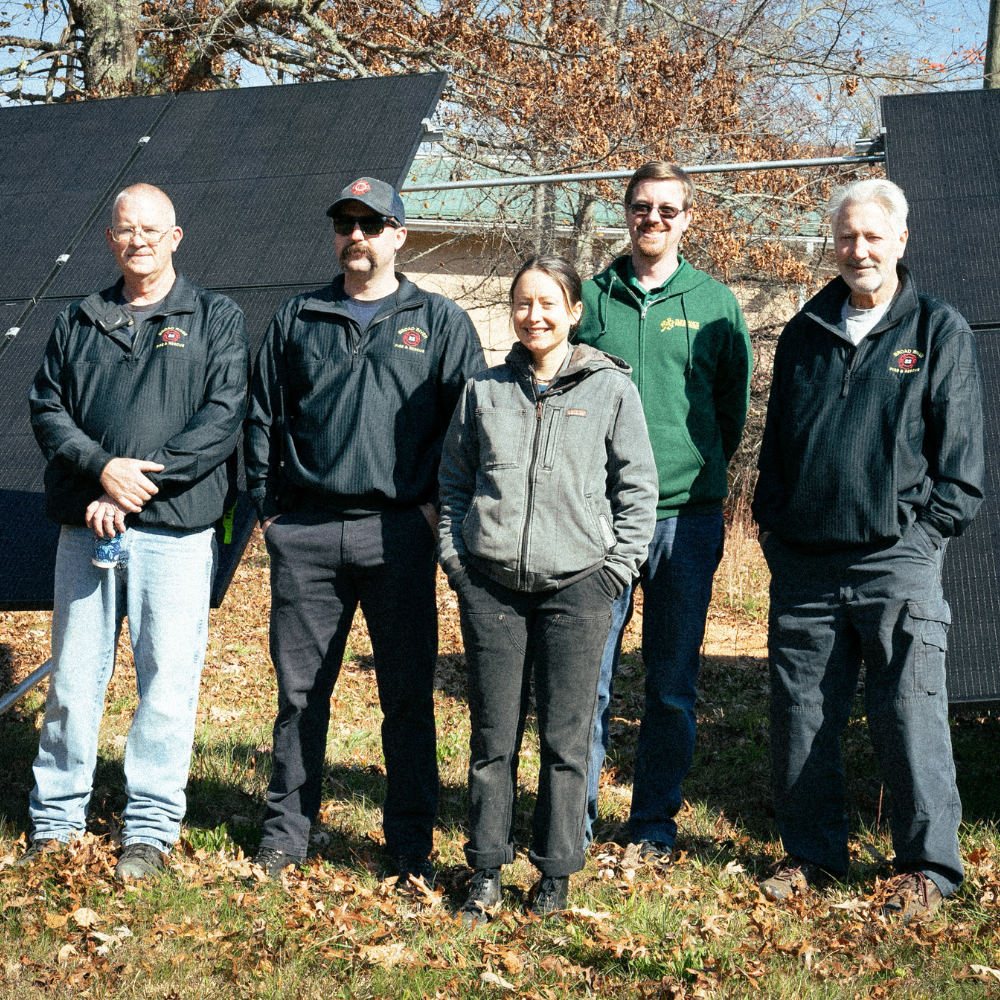
Footprint Project’s Appalachia Regional Hub 2025
After Hurricane Helene in 2024, our rapid response program (and the partnerships we built within it) inspired the state of North Carolina to deeply invest in our unique model of resilience. In early 2025, we hired 5, new full-time staff and moved into our brand-new Appalachia Regional Hub in Mars Hill, NC. Now, our local team is simultaneously doing the very hard work of long-term recovery with individuals still struggling from Helene and driving forward innovation through the development of Beehive Microgrids. We have been transitioning sites from temporary, emergency power in the immediate Helene aftermath to permanent systems they’ll have ahead of the next storm. This full-circle climate resilience is something we’ve been working towards since the beginning.
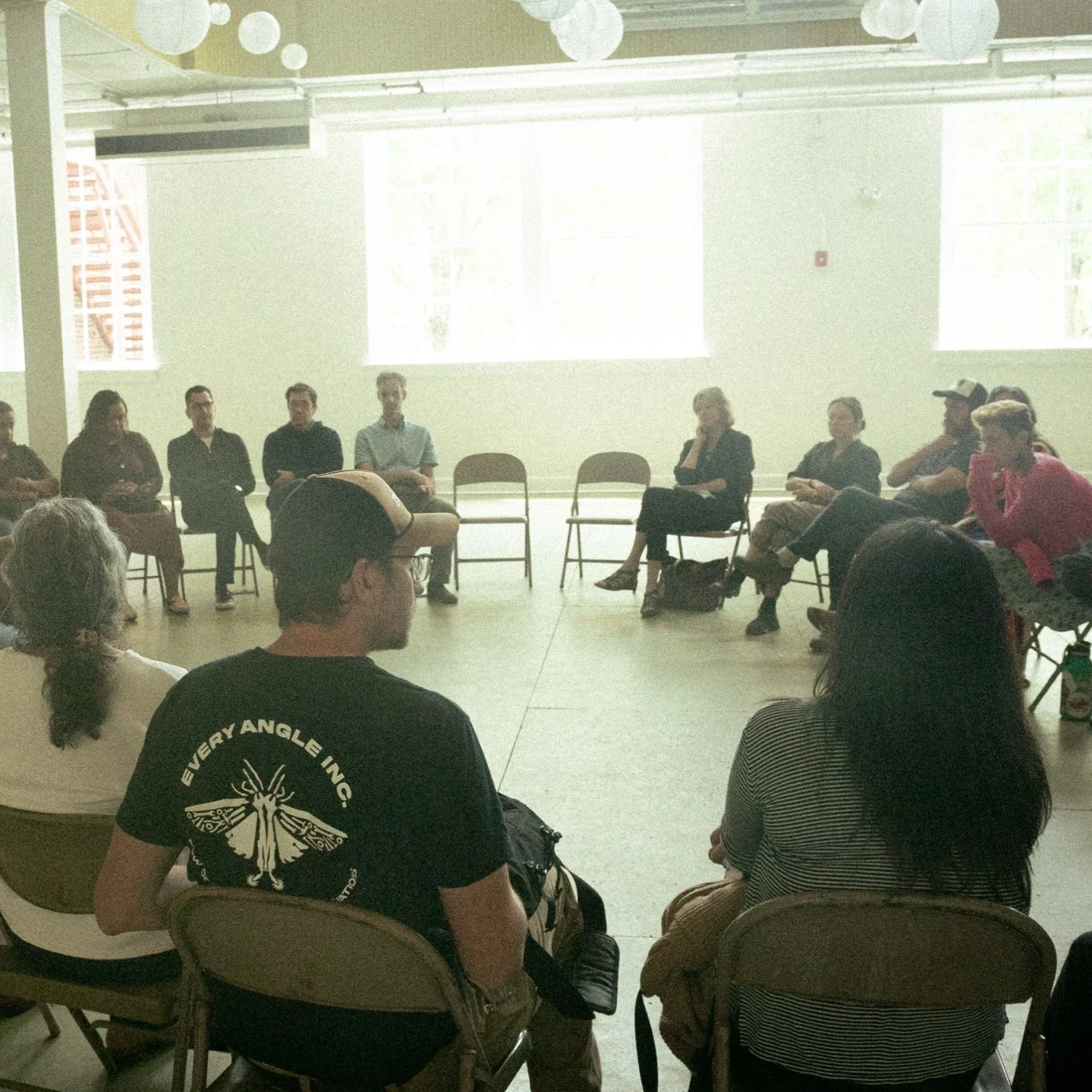
How Can We Support Community Resilience?
As we continue to grapple with the long-term impact of Hurricane Helene in Western North Carolina, we take time to reflect on what community resilience looks like and how we can best serve them.
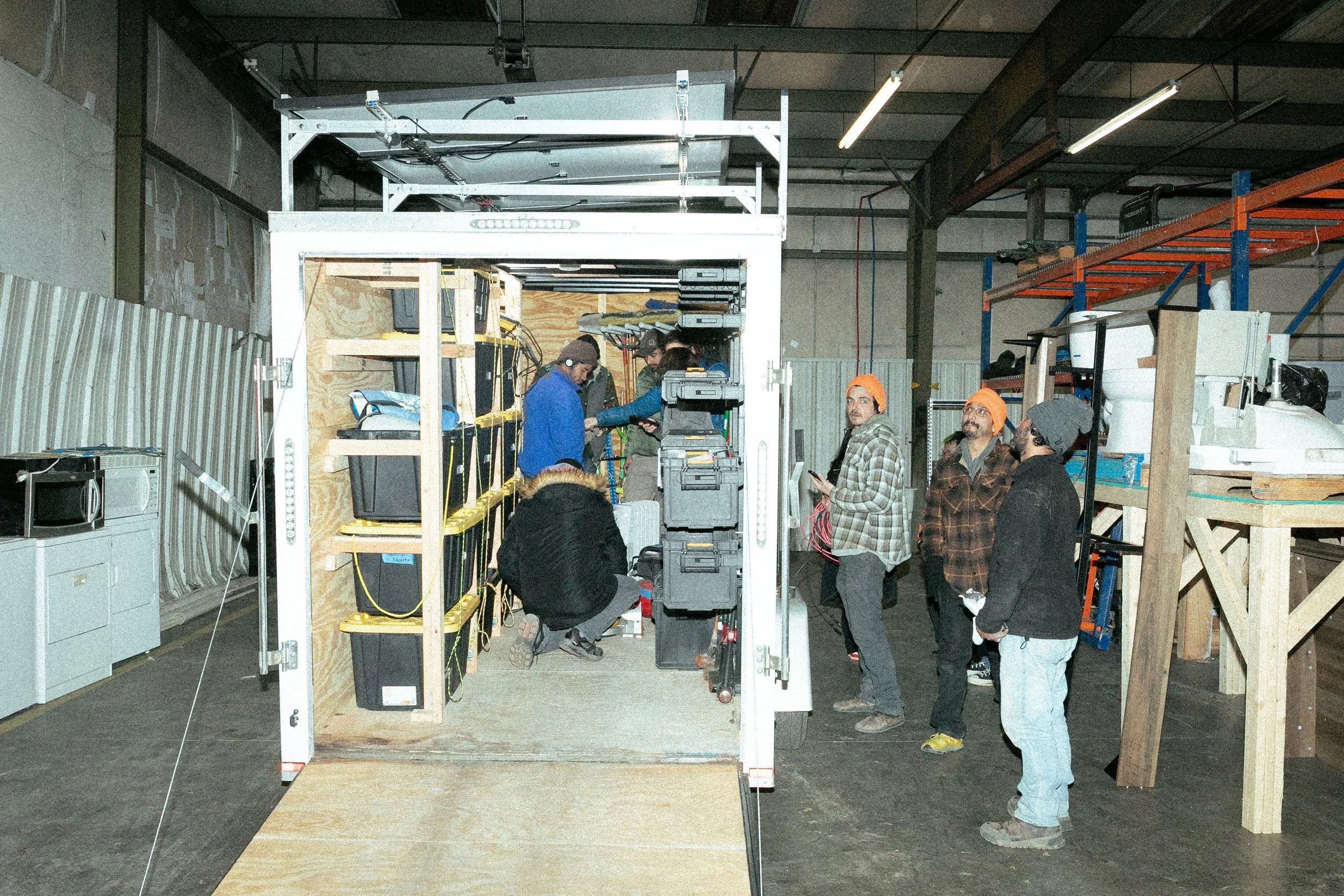
Powering Chispas in Asheville, NC
After months of designing and building, we recently met up with worker-owned cooperative Chispas at their headquarters in Asheville, NC to deliver a new solar trailer. While sharing some amazing food, our team trained Chispas members to use the trailer to power essentials under blue or grey skies.
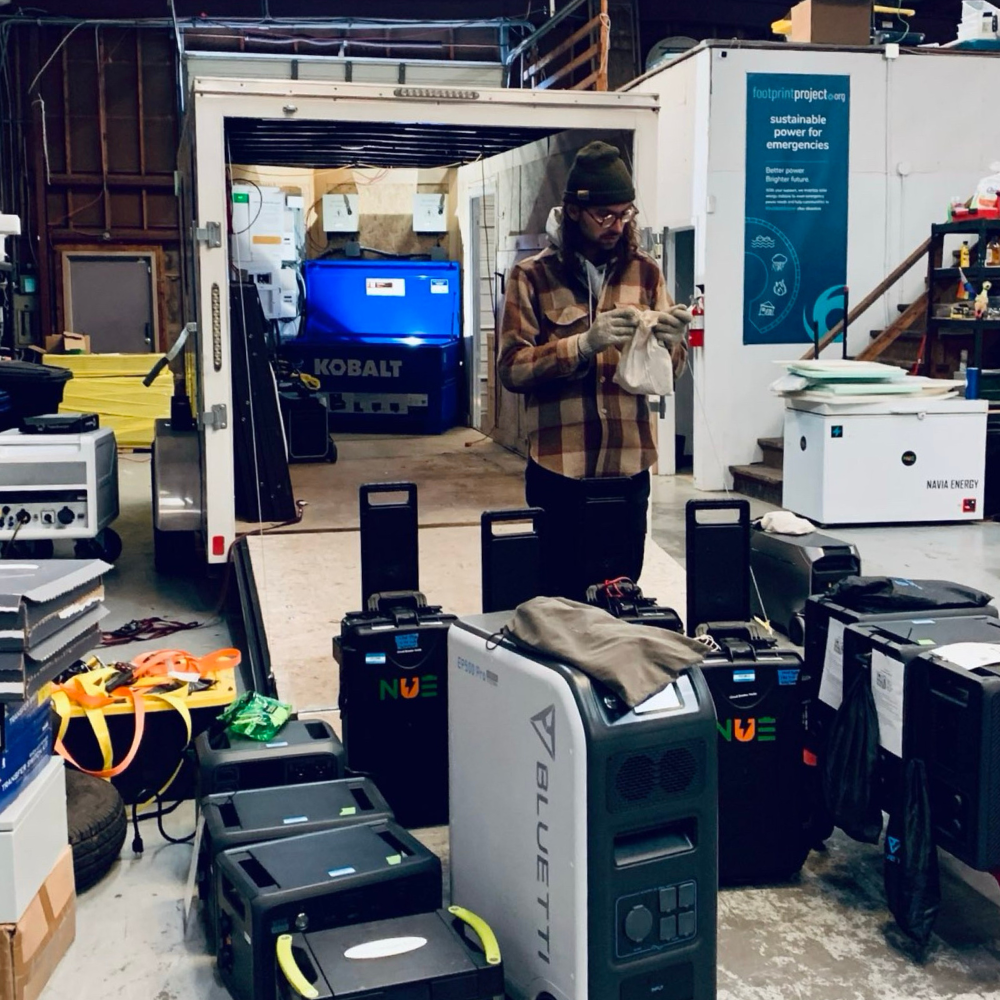
Winter Storm Fern, 2026: Footprint Project Response
As the first major storm of 2026, Winter Storm Fern has kept us busy here at Footprint Project! We hope that everyone who has been impacted by the ice, snow and cold temperatures stays safe and has received help as soon as possible.