
Footprint Project Summer 2026 Updates
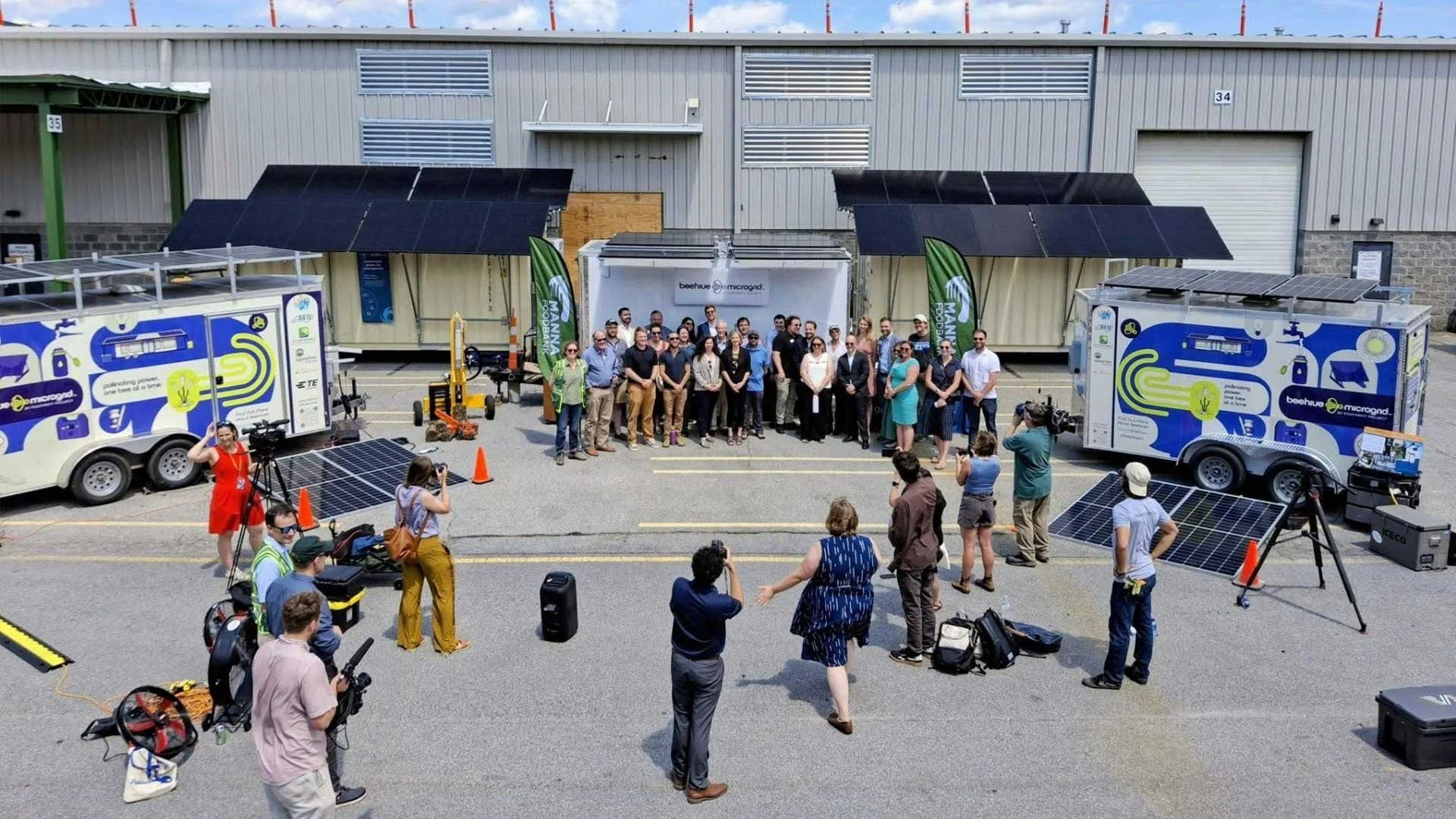
A recent Beehive Microgrid setup
Late summer is the start of our busiest season. By the last week of August 2026, we received disaster support requests from communities reeling from fires in Washington and Nevada, floods in West Virginia, storms in Tennessee, and Hurricane Lala in Hawai’i.
This summer, our team has been:
Responding to the Venezuela earthquakes
Debuting our Beehive Microgrid™ fleet in North Carolina
Installing permanent microgrids on Hurricane Melissa-affected clinics in Jamaica
Running Solar Free Store events across the Gulf Coast and Western North Carolina
Amid all of this busy activity, we’ve also been training volunteer disaster leaders across the U.S.
Hawk Fire in Reno, N.V.
In response to the Hawk Fire in Reno, NV, we are:
Shipping Energy Relief Kits from our New Orleans warehouse to partners in Reno
Assessing the situation and our internal capacity to respond at scale
Intaking availability of deployable renewable response tech
Fundraising for disaster operations (technical assistance, emergency coordination and logistics, reporting, and risk mitigation)
Want to Help?
If you'd like to support this response operation, text HAWKFIRE to 44-321 or donate to our Hawk Fire Response Givelively.
Offer Power:
If you have or know of partners with renewable response technologies (solar, water, shelter) that are ready to use and could be rapidly mobilized for the affected areas, please fill out our Equipment Intake Form.
Major Gifts and Investments:
Funders interested in supporting a specific program or region, please contact give@footprintproject.org.
Regional Response Snapshots
Latin America / Caribbean
Venezuela Earthquakes Response
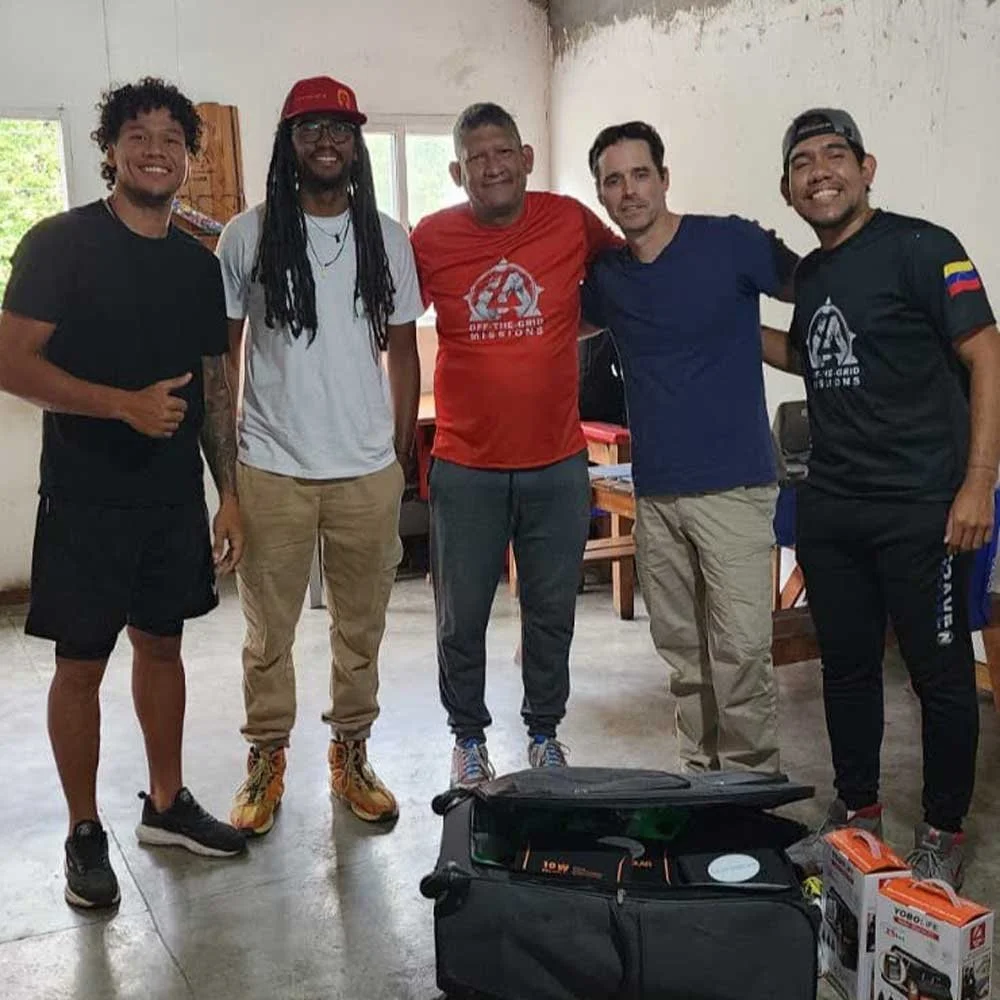
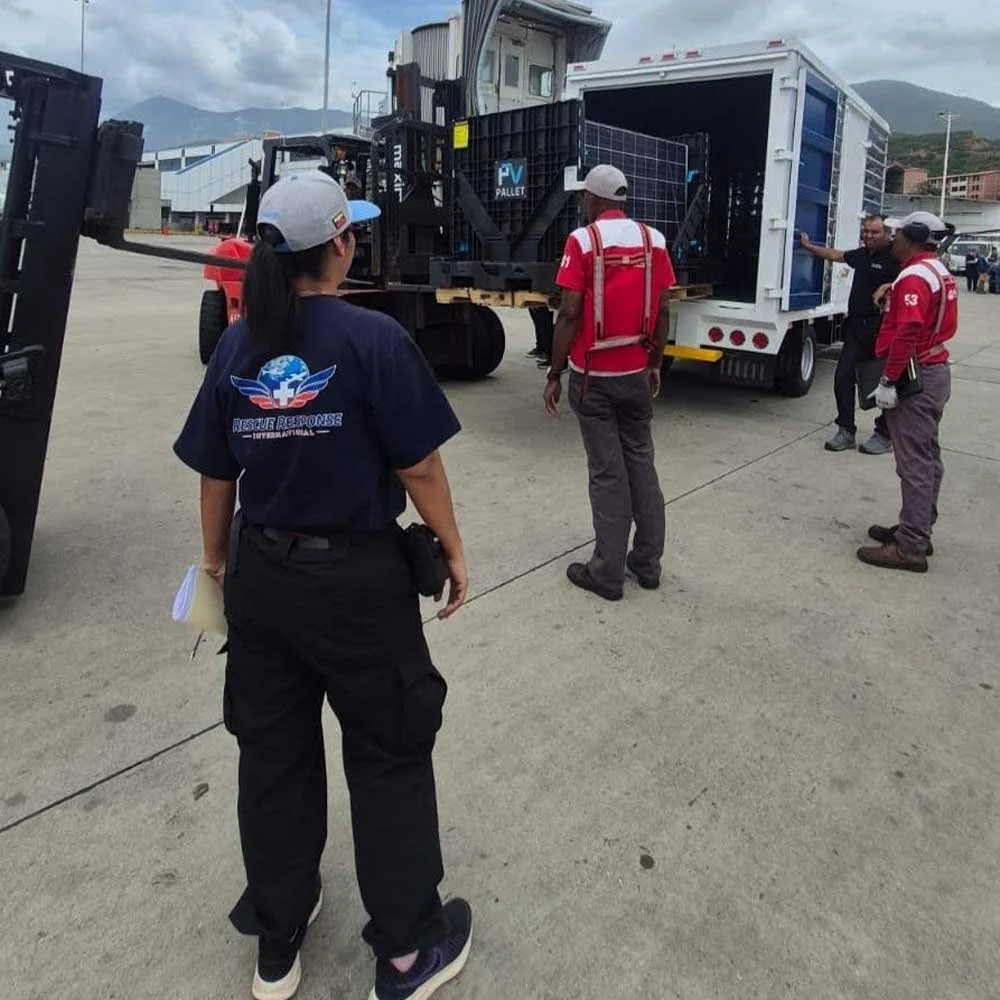
In response to the Venezuela Earthquakes of late June 2026, we deployed 101 Mini Energy Relief Kits and 4 portable power stations. Additionally, eight sites are now on microgrids. Altogether, this equipment supports 101 families (or about 404 individuals). We engaged over 13 partners, including our US State Department-funded consortium which includes Rescue Response International, Water Mission, Convoy of Hope, and MapAction. We activated 11 volunteers to support installs, troubleshooting, and admin.
"Thanks to this collaboration with Footprint Project, we were able to receive and power refrigeration equipment [using solar energy] to ensure the proper care and storage of medications at the appropriate temperature."
- Maria Bracho (OIM, La Guaira Camp Manager)
Since our initial response, six Mobile Powerwall Units (MPUs) have landed on-site. Our second wave of staff support arrived in Venezuela in early August 2026. MPUs are palletized, self-contained power systems that generate, store, and distribute electricity for larger community resilience hubs. We’re extremely grateful to Tesla for providing us with these MPUs!
Jamaica Recovery:
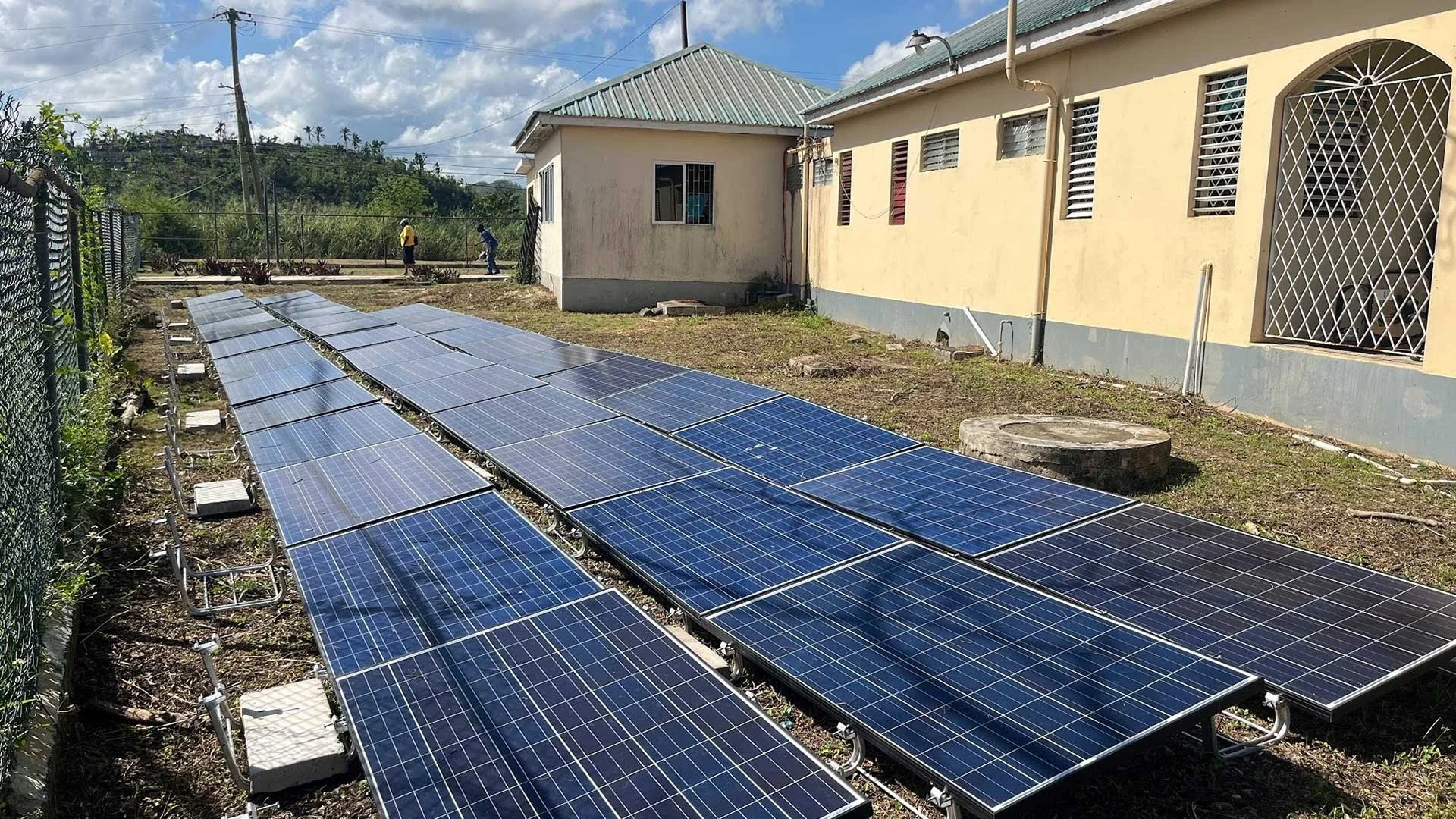
As our recovery work in Jamaica continues, two new solar and battery systems were recently completed. One is located at Clark's Town Maternity Center and the other at Cascade Health Center. In total, the systems will support about 881 people per month. 6 new partners joined this cycle of support.
These two completed systems were made possible by an assortment of essential international and local partners. We want to give a special shoutout to Direct Relief for their support on these recent efforts. These multi-layered energy resilience systems will keep medical services running through prolonged grid outages.
Western North Carolina
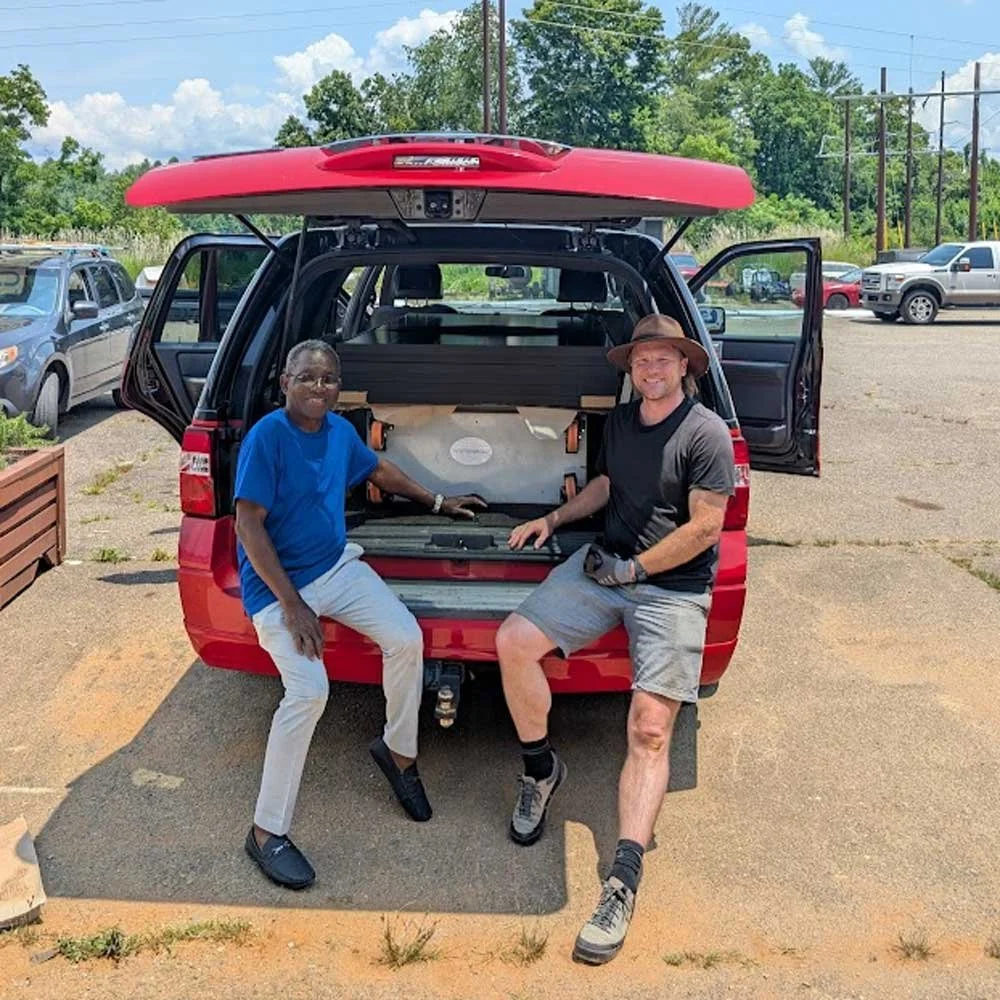
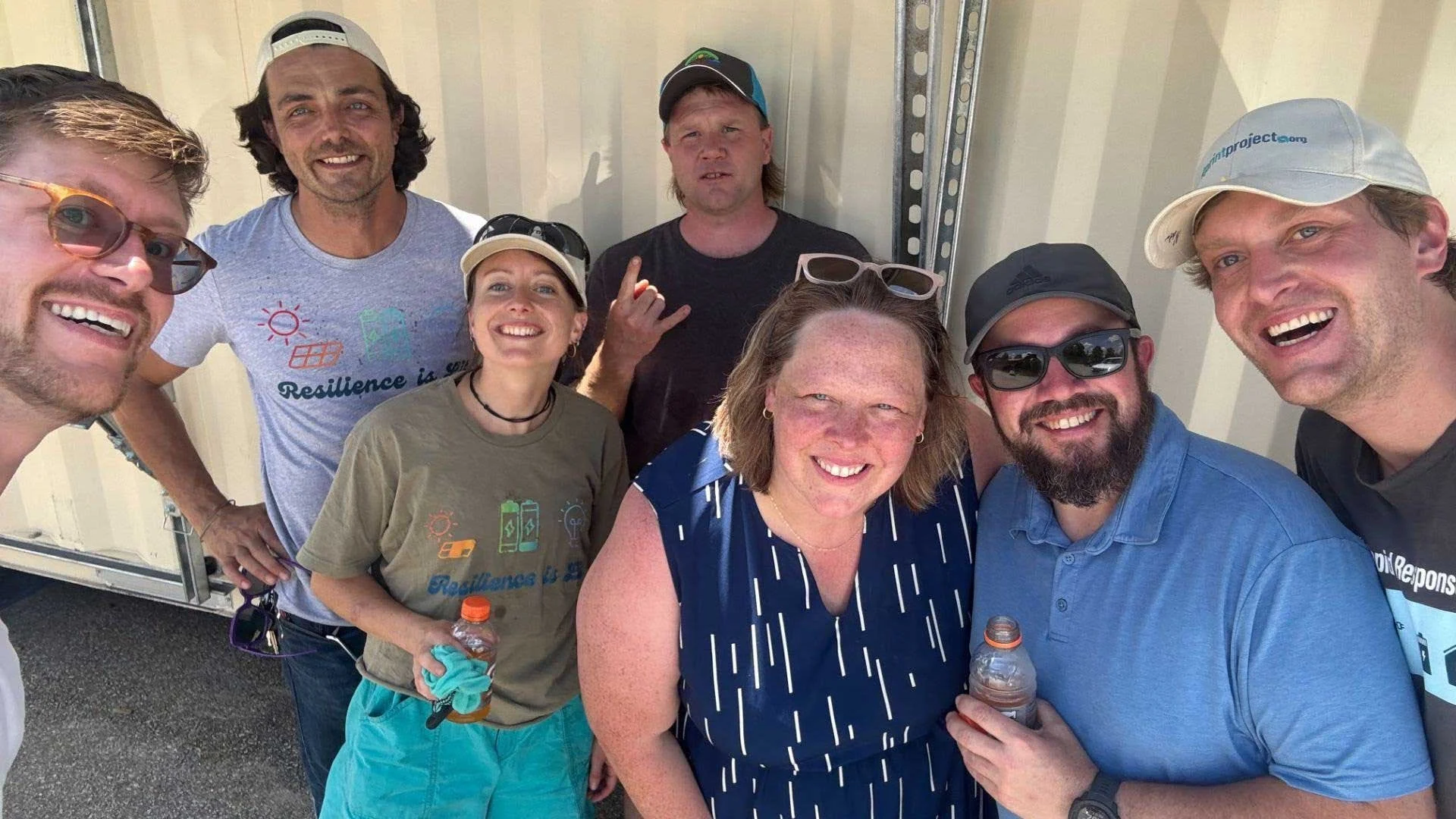
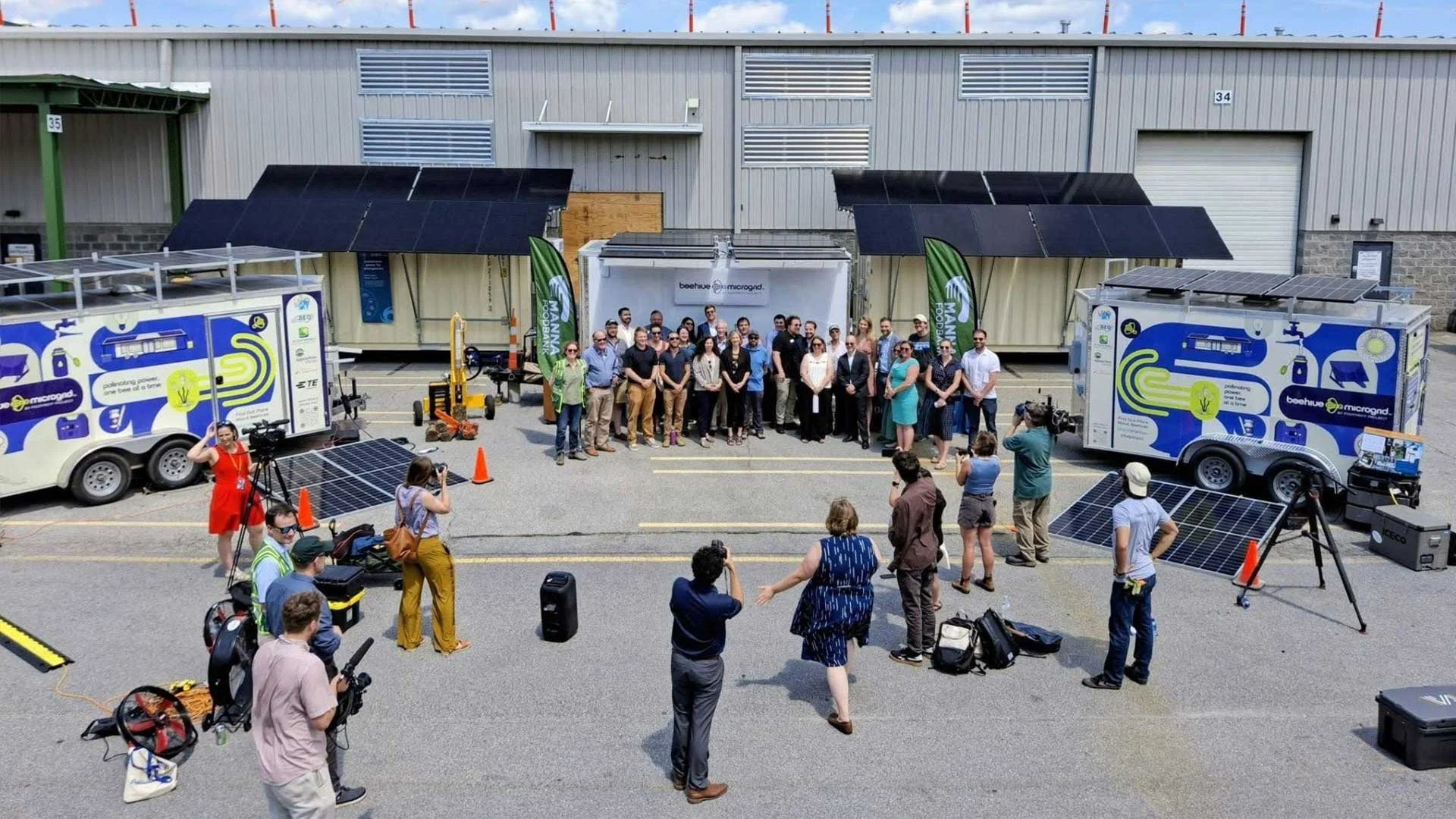
This June and July, 30 people received consultation and free solar equipment at our Solar Free Store events with two new volunteer experts joining to help. Two community centers became solar-powered resilience hubs, and post-Helene generator support expanded to two more households. In June, we joined the North Carolina Department of Environmental Quality (DEQ), Land of Sky Regional Council, and NCSEA at MANNA FoodBank to showcase our new Power and Cooler “Bees”, as part of our Beehive Microgrid™ program. We deployed a solar generator system to Eastern Tennessee for flood relief, and as of this summer, both WNC office buildings run on solar power!
"Your willingness to spend time explaining the equipment, demonstrating its operation, and answering my questions speaks volumes about your commitment to education and community service. Because of your generosity, we're one step closer to creating a solar-powered Mobile STEAM Makerspace that will serve students throughout North Carolina."
- Dr. Wole Ajala, Executive Director, M.A.D., Inc. (Math Arts Designs)
This summer WNC broadened its reach, showcasing mobile microgrids to state decision-makers and the National Governor's Association, and strengthening alliances from Enfield to Cherokee and the Qualla Boundary.
Gulf Coast
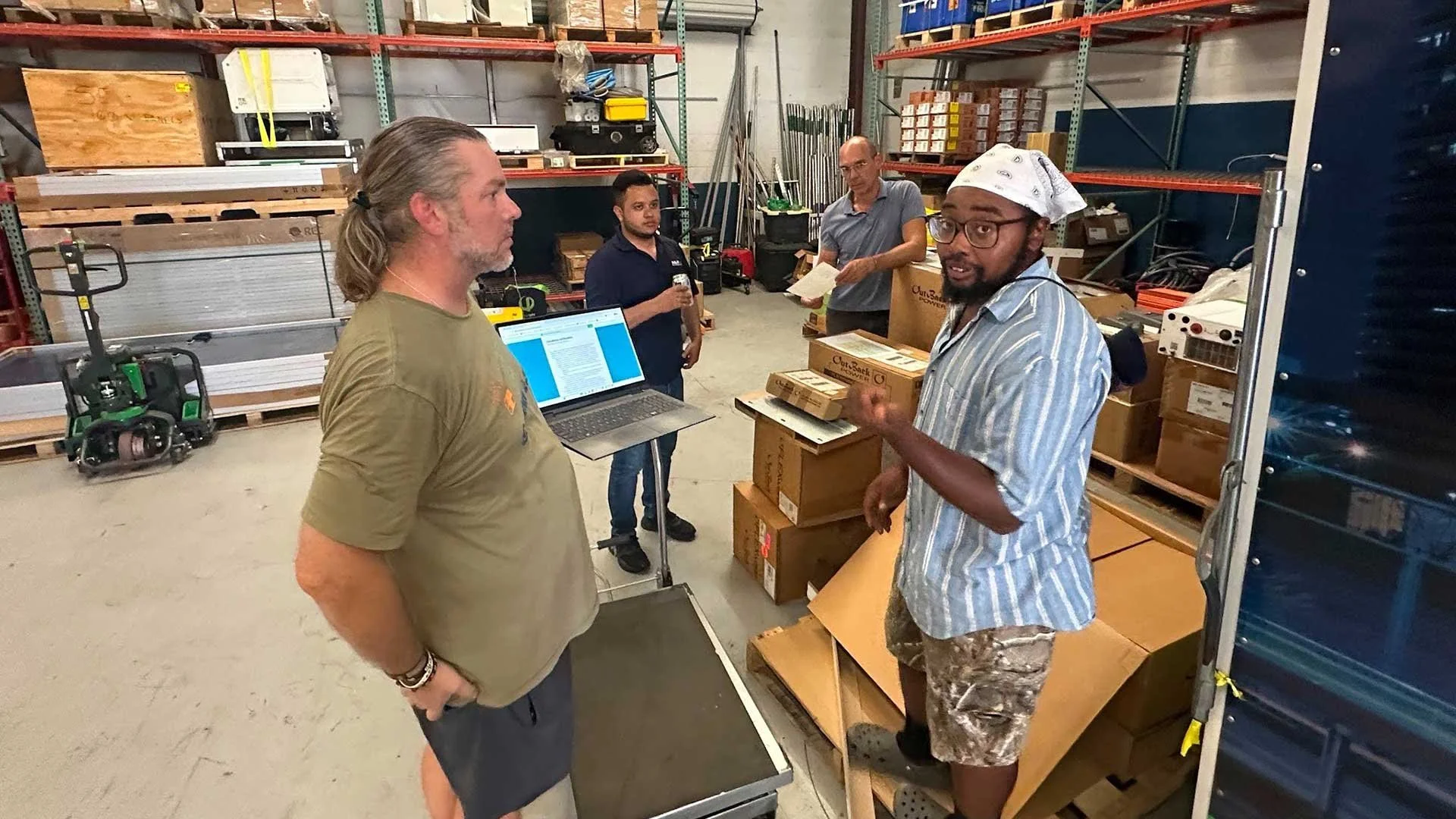
We trained three Gulf Coast partner organizations and equipped them with SunKits and solar arrays for food distribution resilience. In July, over 8 community members walked away with DIY solar equipment at our New Orleans Solar Free Store. We're now installing transfer switch technology at two new partner sites: Inclusive LA (St. James Parish) and the Louisiana Organization for Refugees and Immigrants (Baton Rouge).
"The SunKit and solar panels will help power the freezers and refrigerators we rely on to keep food fresh for our pantry. By lowering our energy costs, we'll be able to put more of our funding toward food and other resources for the immigrant families in our community."
- Danny Valdéz, Food and Nutrition Manager, Familias Unidas en Acción
Gearing Up for Peak Storm Season
Preparedness looks different across our work. Whether we’re training volunteers, teaching students, prepositioning tech, or educating end-users, it all adds up to build resilience before the lights go out.
NOLA Disaster Leadership Training 2026
On June 30, New Orleans volunteers gathered for the first cohort of our new Disaster Leadership program, built to develop leaders who can train and run local cohorts the next time a storm hits. The training covered fieldwork fundamentals, hands-on solar setup, and simulated field scenarios.
Sign up here to volunteer and get updates on future trainings.
Sci High Sunkit Program
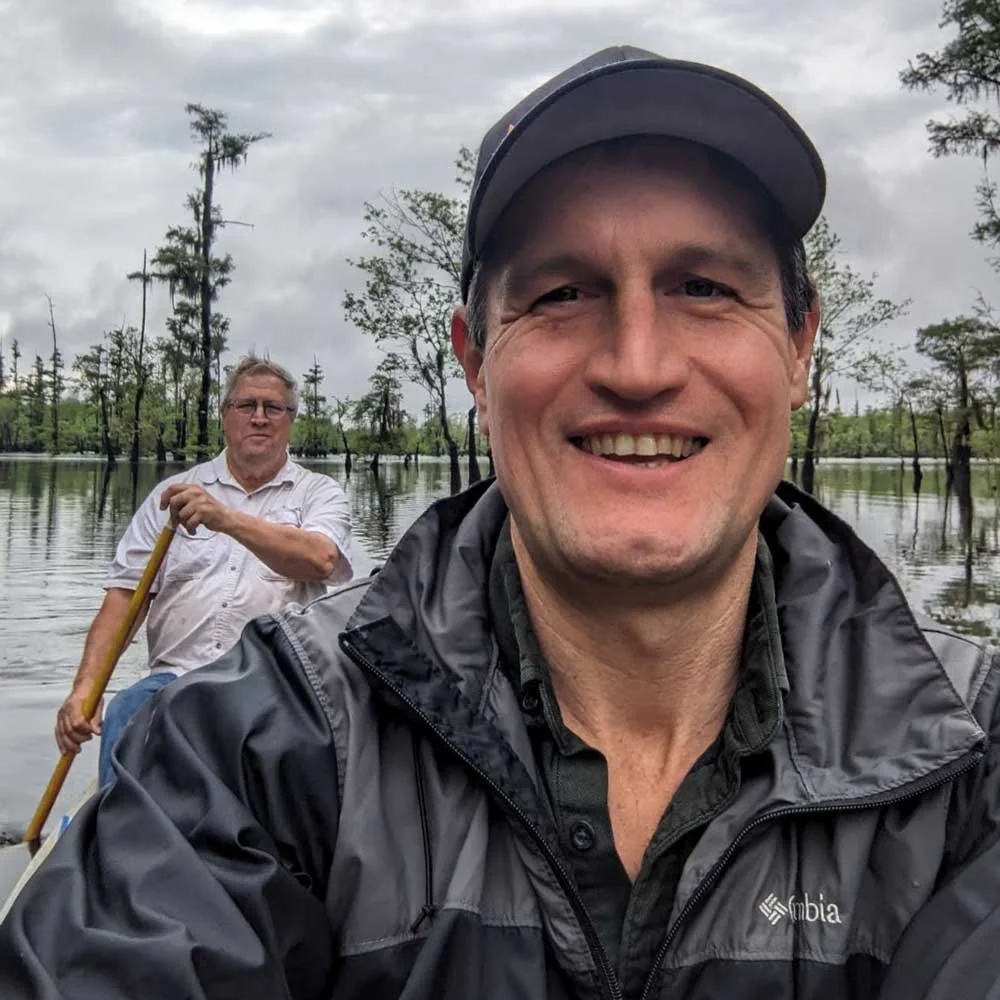
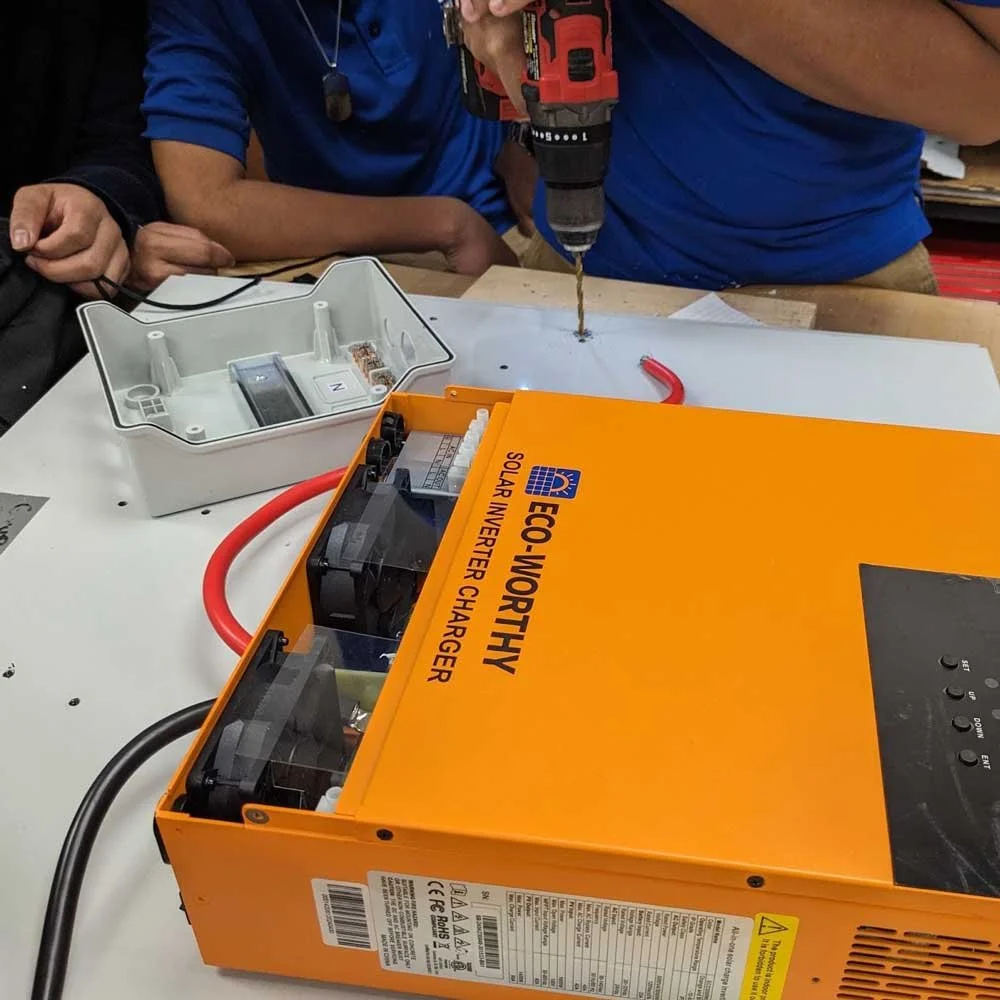
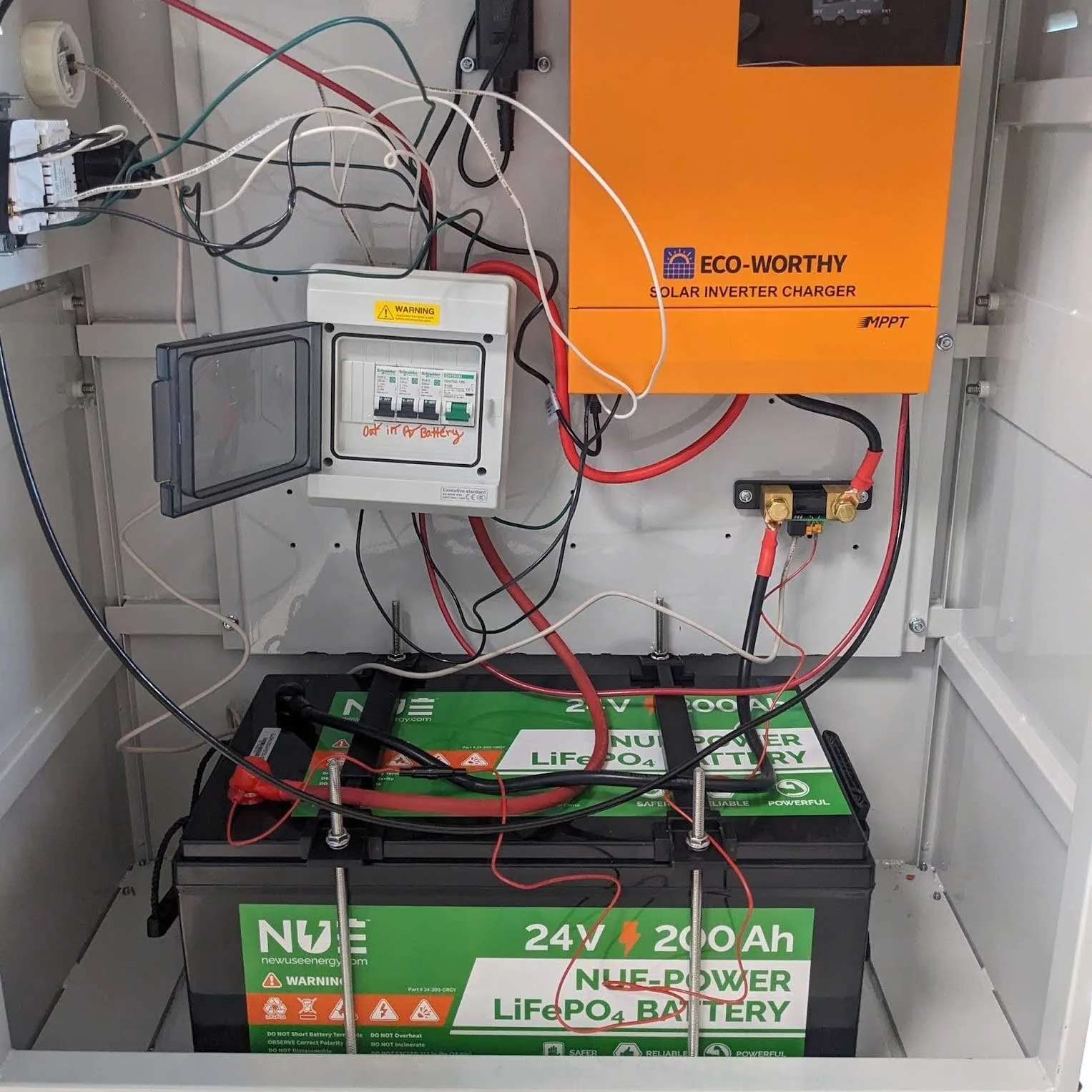
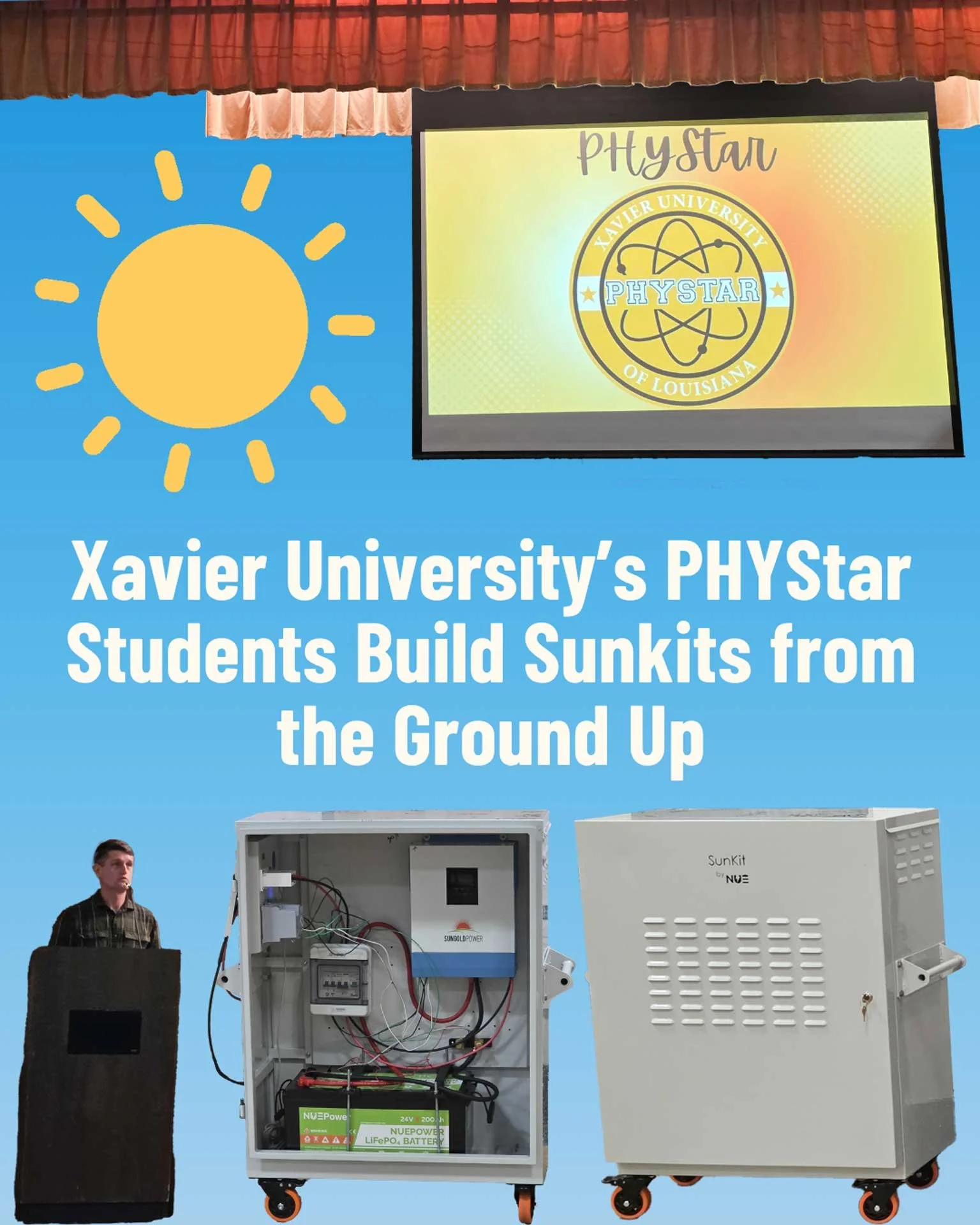
Run by Jimmy Luttrell, our Sci High Sunkit program grows the pipeline we call on when disaster strikes. Students in grades 7-12 spend 3-4 weeks learning circuit and solar system design, then build a generator that gets donated to a local community organization.
This summer, that pipeline grew. Xavier University's PHYStar program (also led by Jimmy) teamed local students up to build two more Sunkits. These new Sunkits join ones already in the field created by students at the New Orleans Charter Science and Math High School. The program wrapped on July 11 with an awards ceremony where our Gulf Coast Program Coordinator, Sage, spoke on why hands-on solar education matters. One Sunkit is already deployed and the other is at our warehouse for quality checks.
Educating at Conferences & Solar Free Store Events
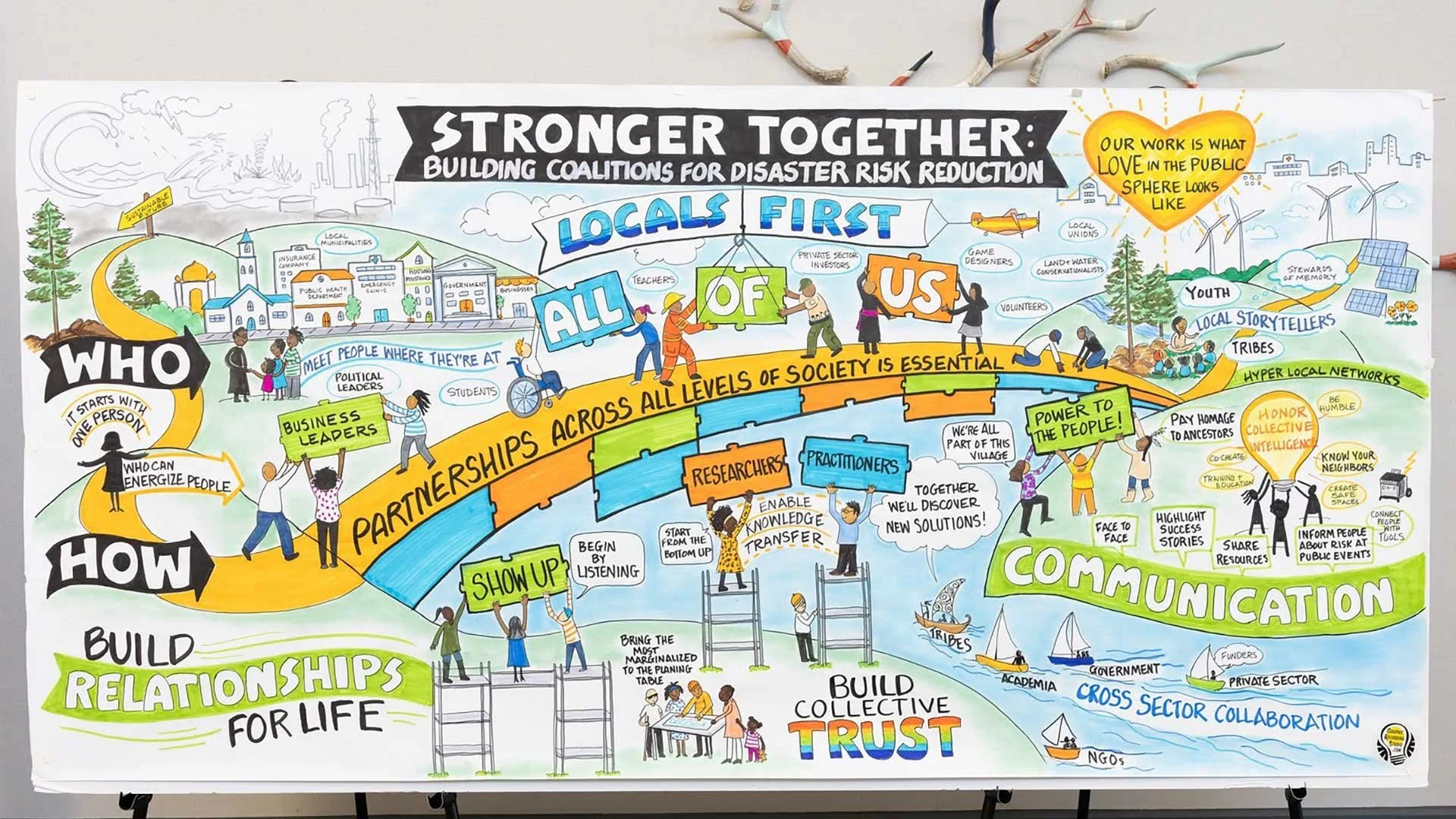
This June, our Appalachia Programs Manager, Cat Hebson presented twice at the 51st Annual Natural Hazards Research and Applications Workshop, themed "Stronger Together: Building Coalitions for Disaster Risk Reduction". She delivered the following presentations: "Keeping the Power On: Community Resilience in an Era of Compounding Hazards" and "Building Resiliency Hubs: Advancing Hazard Mitigation Through Community-Centered Energy Solutions."
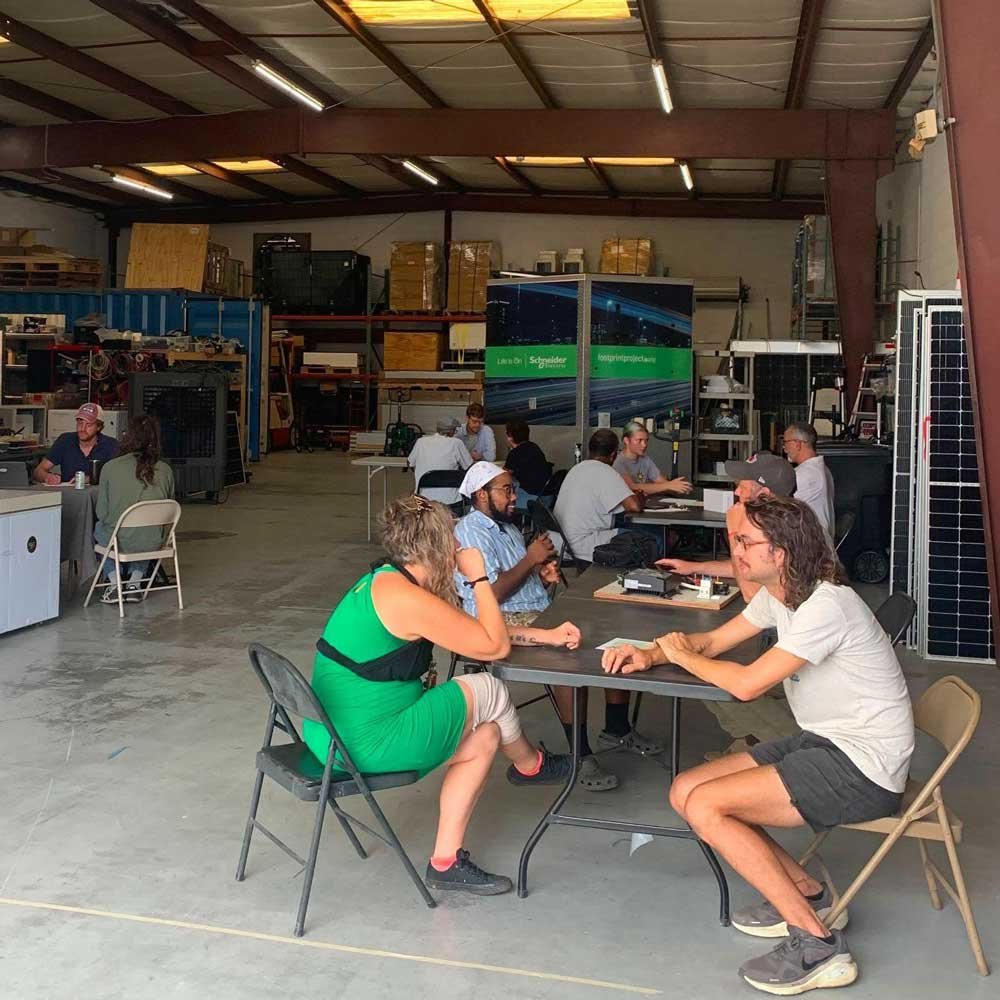
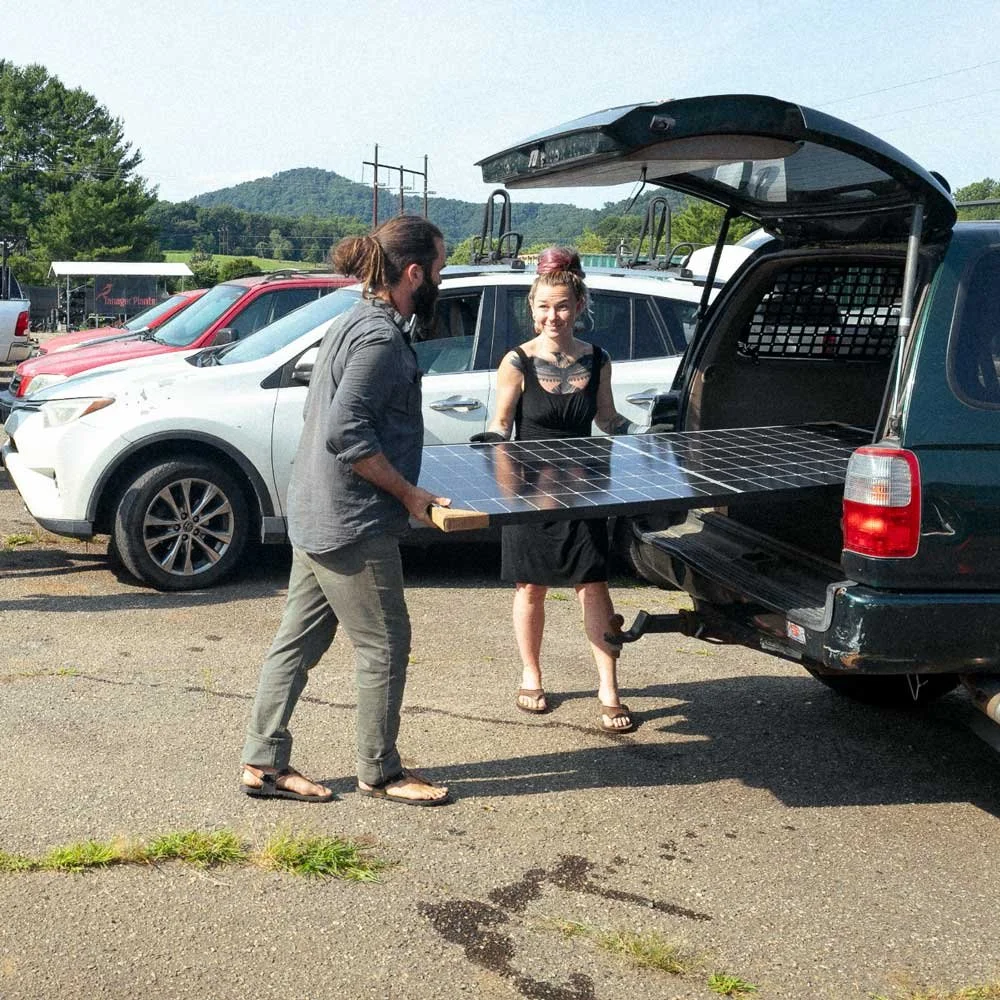
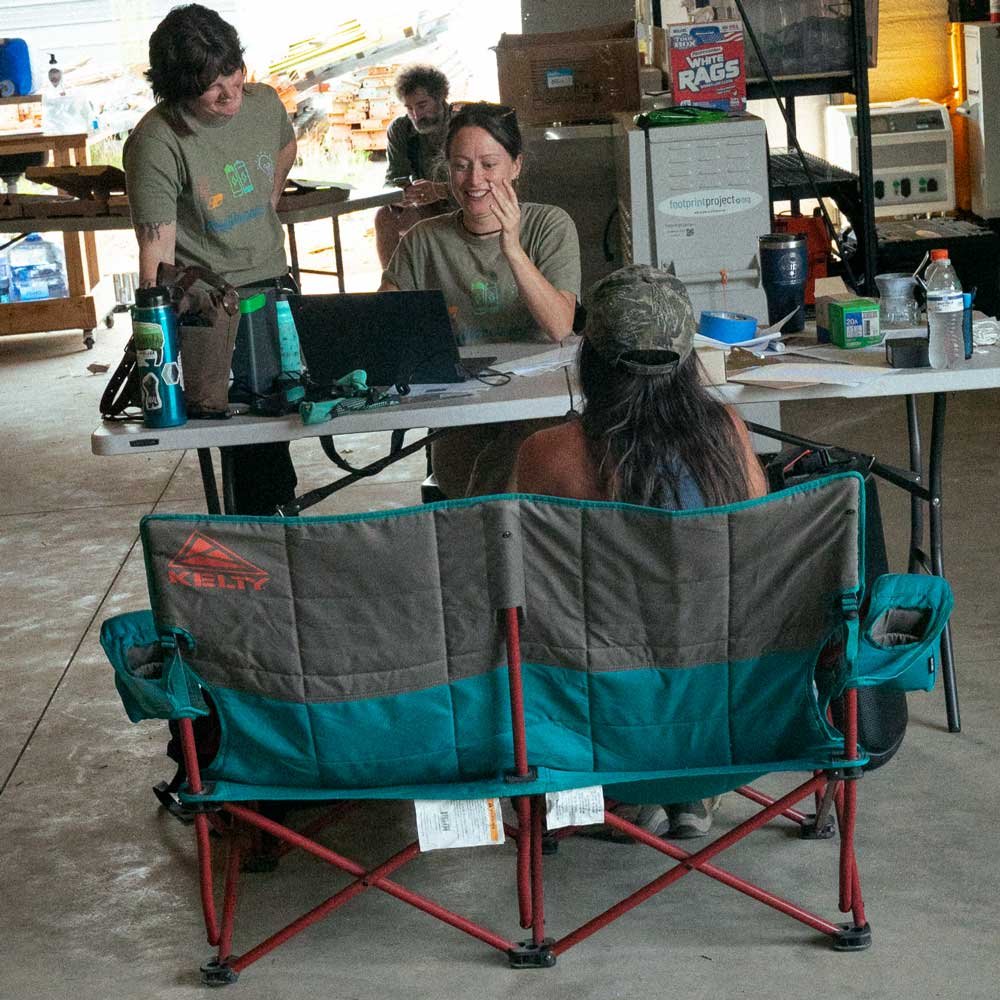
Every Solar Free Store consultation does similar work closer to home. This work helps households and organizations get storm-ready by teaching them to think through their power needs. We rely on in-kind donations to keep this going. If you have solar equipment or related gear to donate, please fill out our In-Kind Donation Form.
COMING UP
Resilience Fest 2027
Last July, we brought 200 people from 120 organizations to Black Mountain, NC, for the inaugural Resilience Fest. It was part summit, part hands-on training, part community gathering. Read more here.
We're already planning 2027 so stay tuned for more information in the coming months.
