
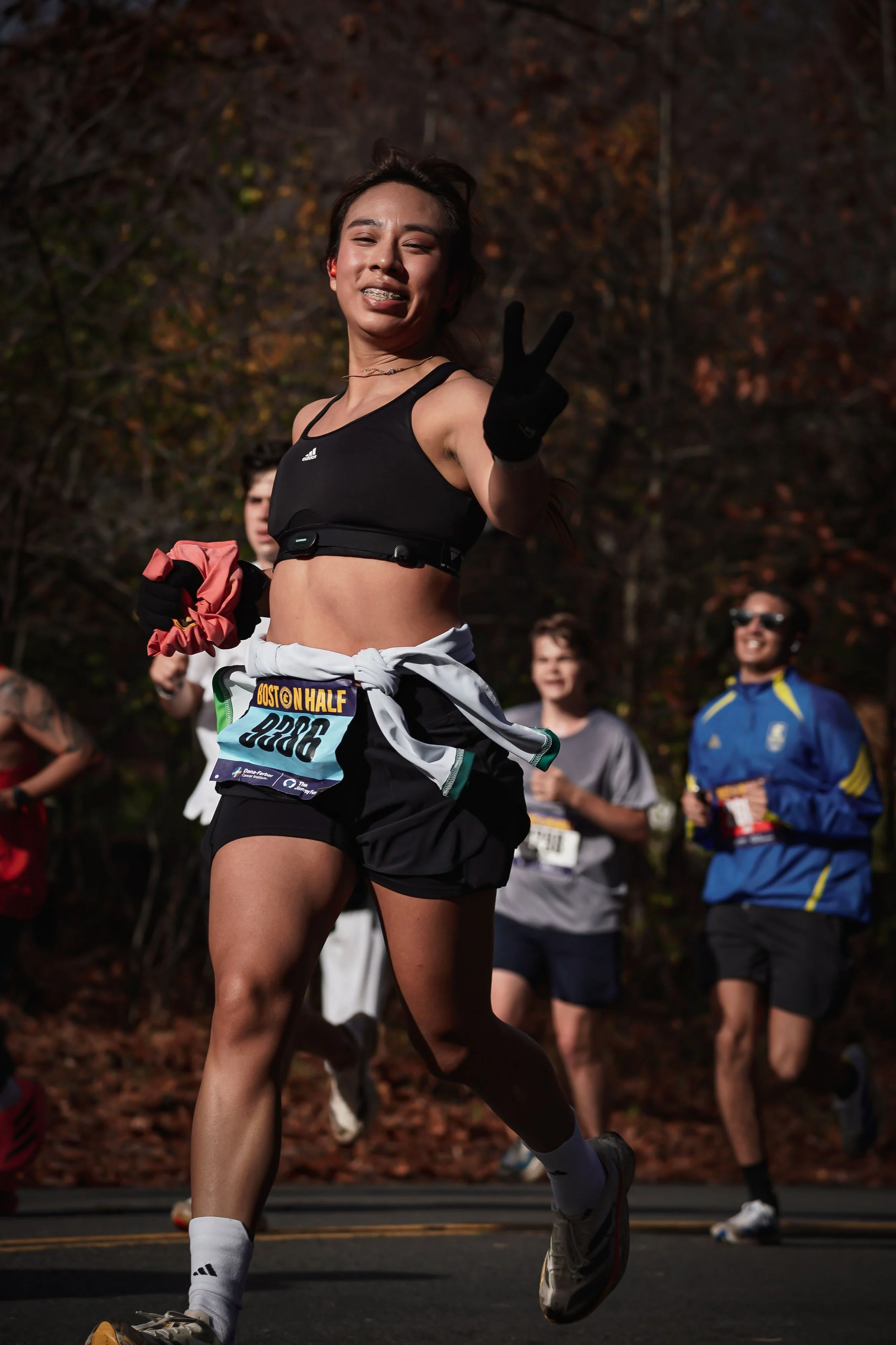
Diana Avila is a deputy project manager at Schneider Electric, where she coordinates teams across the company to deliver low- and medium-voltage solutions to customers, from early engineering through on-site testing. Before that, she spent almost three years as an application engineer. She lives in the State of Mexico, just outside Mexico City, and trains at about 2,200 meters above sea level. The 2027 Boston Marathon will be her first Boston and her sixth marathon, and she will run it as one of Schneider Electric's #SEGreenRunners, with a goal of raising $1,500 for us. In our conversation, Diana talked about helping clear rubble after an earthquake in Mexico City, why communities need support long after the news moves on, and her earliest running memories in the forest with her father.
Support Diana’s run: https://www.givengain.com/project/diana-raising-funds-for-footprint-project-136660
INTERVIEWER
What do you do at Schneider Electric, and how long have you been there?
DIANA
I'm a deputy project manager, and I've been in this position for almost two years. A project manager coordinates many areas of the organization to deliver a solution to the customer. In our case, we deliver solutions and equipment for low- and medium-voltage projects. We follow the order from the beginning, from basic engineering and detailed engineering through commissioning and site testing.
Before this, I worked for almost three years as an application engineer. I did the configuration, the design, all the technical parts. It was very fun for me, but it was also challenging, because customers change many things over the course of a project. As an engineer, you face a different issue every day and troubleshoot with the customer in real time. As a project manager, you handle everything behind that. You manage the customer and the end user when they don't accept the solution you're proposing. Doing both has been complementary.
INTERVIEWER
Does your work connect to clean energy, microgrids, or resilience? And how would you explain your job to a 10-year-old?
DIANA
Kind of. I mostly see the purchase orders, delivery times, deliveries, and commissioning for the equipment. Right now, I have a project that includes a microgrid solution, along with UPS systems and other products like that.
For a 10-year-old: I'm the person who tracks activities to give solutions.
INTERVIEWER
You live just outside Mexico City. What's your commute like?
DIANA
I live in the State of Mexico, and our Mexico City hub is only about 25 kilometers away. In distance, it's short. In time, it's an eternity: about two hours on average. I always think that if I were running, I would get there faster.
INTERVIEWER
What made you sign up to run for Footprint Project?
DIANA
It's a cause that joins both parts of my identity: the engineer who works with energy and the runner.
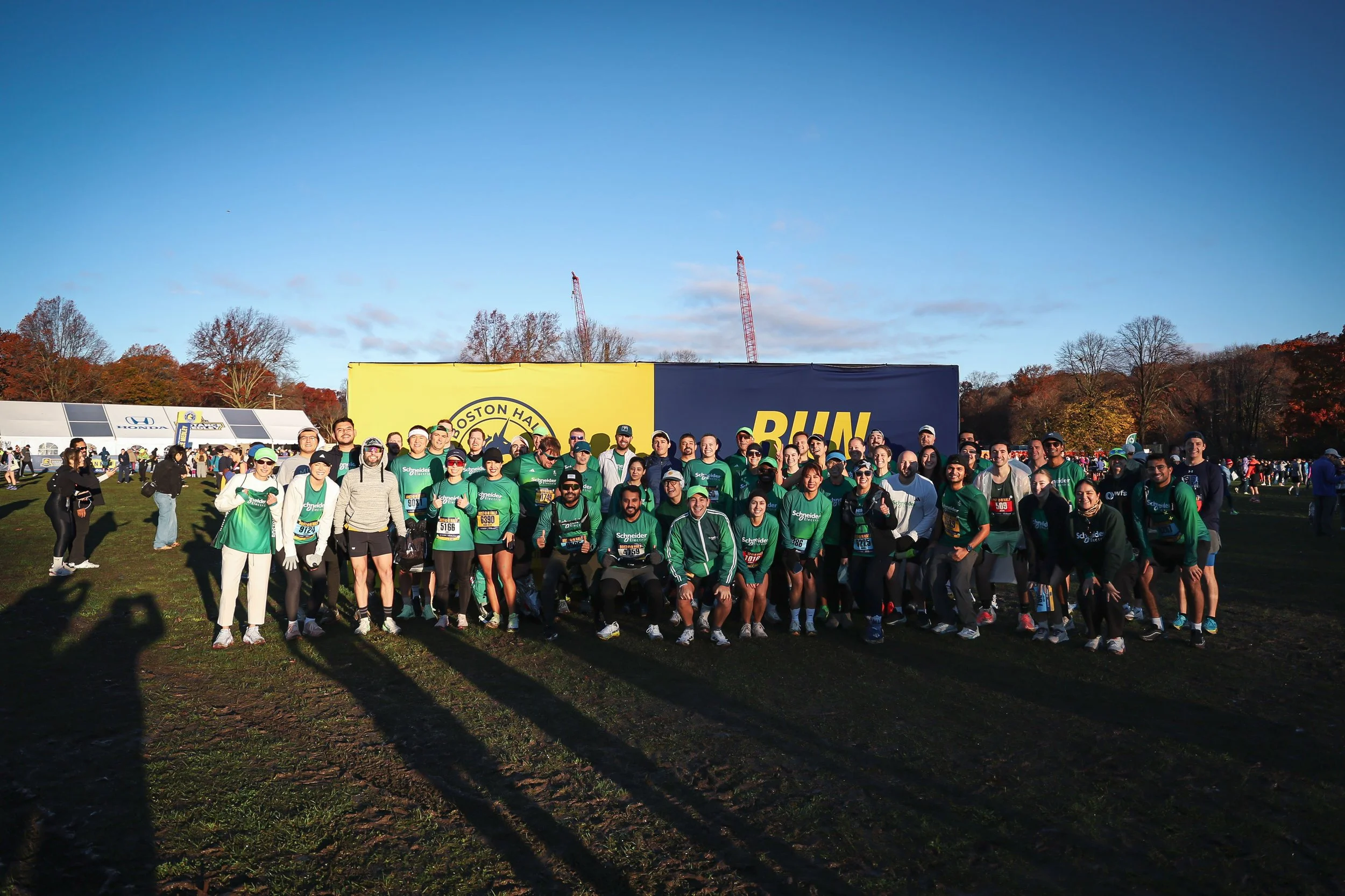
I've realized that after natural disasters, people want to help, mainly at the beginning. Everyone says, "Let's donate, let's go do something." But as time passes, people start to forget. It's not that humanity is missing. People have their own problems and activities. The social media algorithm stops showing you videos about the disaster. That's when it gets harder for the community.
With solutions like these, communities can do more by themselves. That doesn't replace help from others or donations, but it's easier to start again faster. It's important to stay conscious that people still need many things, and that solutions like this help them.
Energy is the base of everything. When we don't have electricity or an internet connection, it's like you've lost everything. Life now requires devices for everything: to communicate, for your home, for essentials like food, and for medical needs that keep people alive.
INTERVIEWER
Have you ever been through a disaster or power outage yourself, or seen one up close?
DIANA
Mexico City and other parts of the country are very seismic. In 1985, before I was born, there was a big earthquake here that killed thousands of people. Then, on the same date in 2017, there was another one. I was in university. Many things were happening in the city at the same time: ambulances, police, buildings falling. My family wasn't seriously affected, but my community was.
INTERVIEWER
What was it like helping your community after the 2017 earthquake?
DIANA
I went to the sites to help remove rubble. After that, I took donations, food, and provisions. I saw people living in camps because their homes were destroyed. They were waiting for help and for a response from the authorities, and staying close to protect the belongings still in the area. At that moment, I never thought about how essential energy was. That was a very difficult season for Mexico.
Now, when people here hear the earthquake alarm, everything stops.
INTERVIEWER
Have you ever volunteered with Footprint Project?
DIANA
Not yet, but if I have the opportunity someday, I will.
INTERVIEWER
Is this your first Boston, or your first marathon? What's your running background?
DIANA
This will be my first Boston Marathon and my sixth marathon. My fifth is in Monterrey, Mexico, in December 2026.
My father ran. When I was a child, he would take me to the forest, run a lap, and tell me to start the timer and tell him how long that lap took. Then the next one, and the next one. He was never very disciplined about it. He just went because he liked it. I watched him and told my mom, "I can do that too." I started running occasionally in middle school.
My first race with a medal was in 2016. My uncle invited me to a family race organized by his company, where you could walk 3K or run 5K. I thought, "I can get a medal just for coming and running?" I liked it. My university also organized races every year, and that's where I set my first real goal: the 10K. The next year, the same race. Then I started running more often during the week. I thought, "Okay, I can run more and more." At first it was just for fun and for health. I knew I had to move my body, and running was the cheapest, easiest, and most fun way I found.
My jump to the marathon came during the pandemic. We weren't supposed to go out, so I did strength training at home. Then I started running near my home, and that's how my marathon training began.
INTERVIEWER
How are you approaching training, and what's the hardest part so far?
DIANA
After my second and third marathons, I decided I had to do this in a better way. Now I follow a plan. I'm following my plan for Monterrey, and when I finish that cycle, I'll start over for Boston. I'm also considering getting a coach for the first time. I know I can do it better, and I want to do it with a professional.
INTERVIEWER
You ran the Boston Athletic Association (B.A.A.) Half Marathon on November 8. How did it go?
DIANA
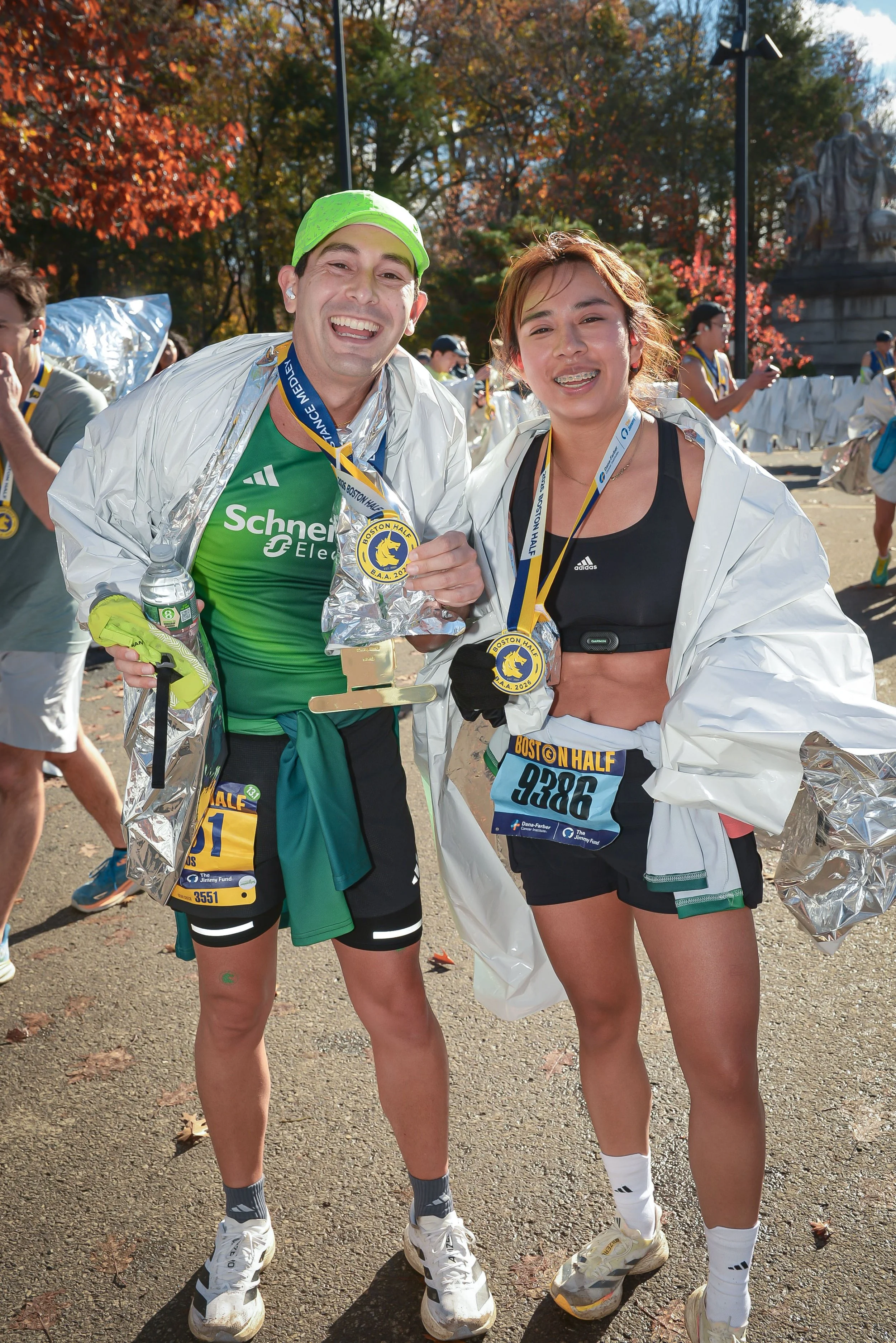
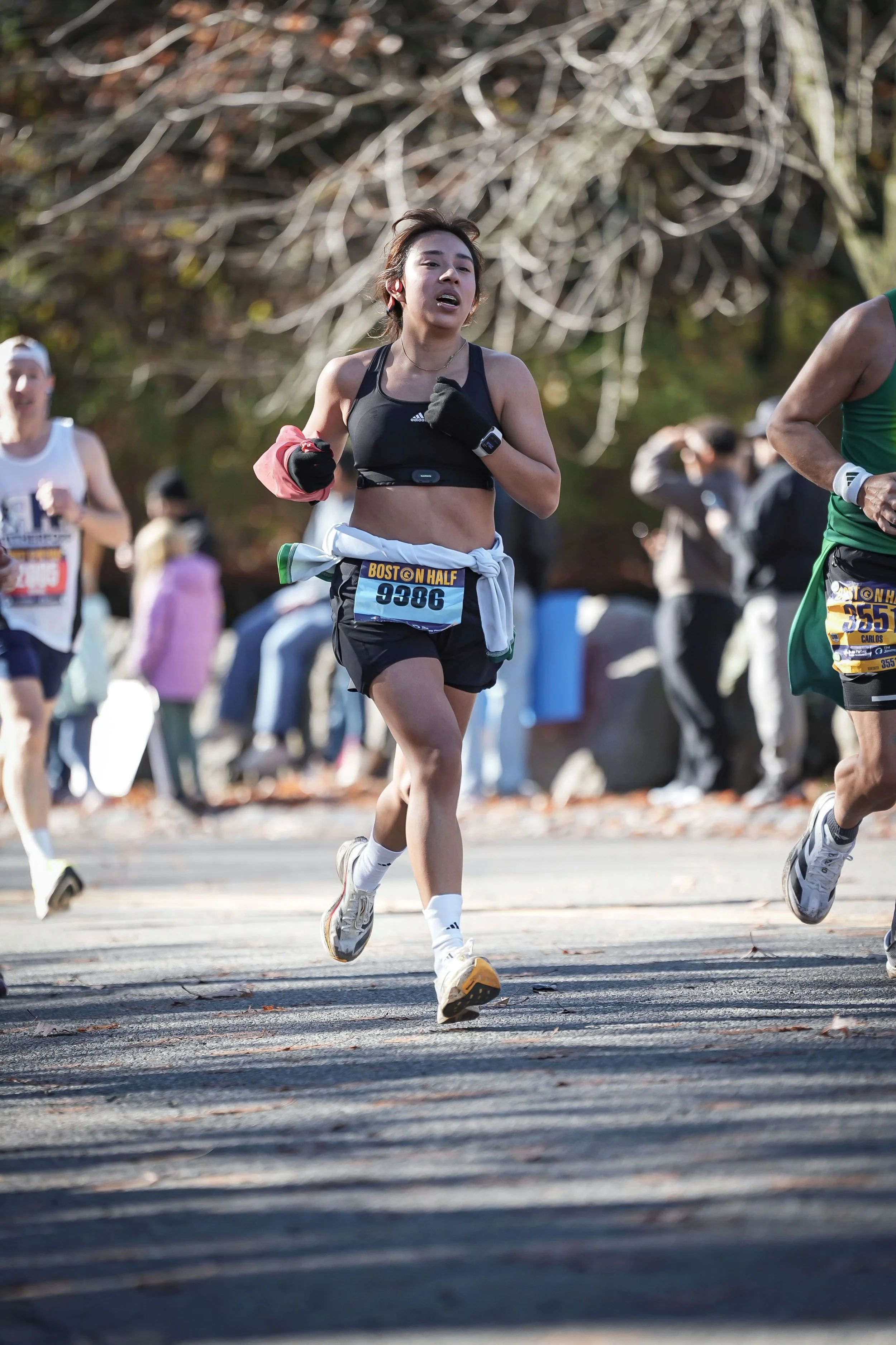
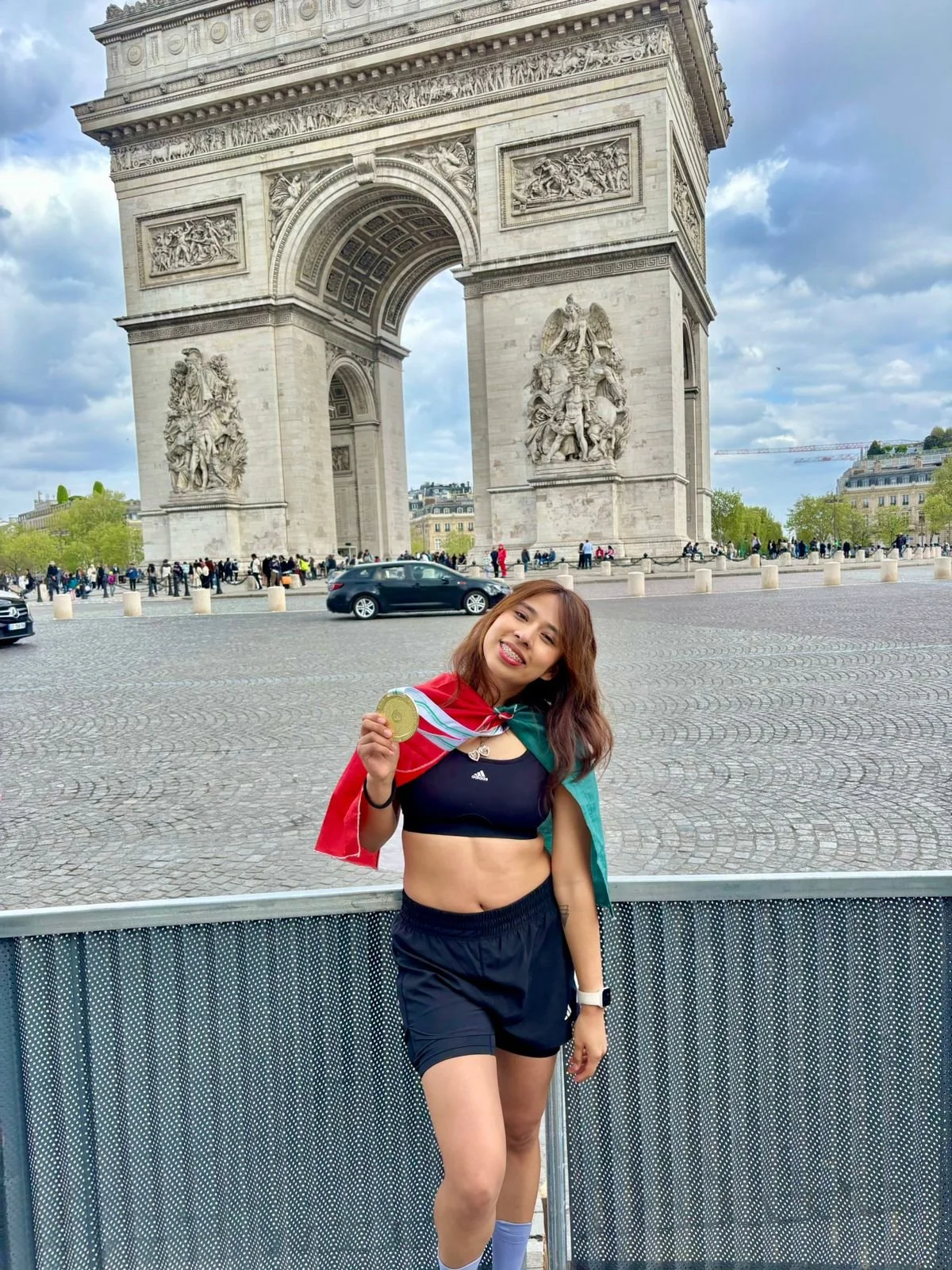
I loved it. It was my first race in the U.S., and I set a PR. I felt really good. Mexico City's altitude is hard, so racing at sea level is supposed to be an advantage, and the cold weather helped. When I ran the Paris Marathon in 2025, I finished in about four hours, but I didn't feel a big difference from Mexico City. I hope Boston will be a little different, a little better.
INTERVIEWER
Do you have a race-day ritual, a go-to playlist, or a mantra?
DIANA
I have different playlists on Spotify. My base is one called "Active". I use it for any activity that needs a rush. It's pop rock, hip-hop, and rap. But it depends on my mood. Sometimes I want something quieter and more relaxing, and sometimes I play salsa.
INTERVIEWER
What does "resilience" mean to you?
DIANA
No matter the situation, you put on your best attitude, do everything that's in your hands, and give all your effort to reach wherever you want to go.
INTERVIEWER
What's your fundraising goal, and how do you plan to reach it?
DIANA
My goal is $1,500. When I first shared my page with people close to me, many of them liked it and commented, but didn't donate. My plan now is to be more direct with smaller groups, like my family and my colleagues.
INTERVIEWER
Finish this sentence: "When I cross the finish line, I'll be thinking about…"
DIANA
The journey, and everything I won before the start line.
Diana grew up timing her father's laps in the forest. Today she trains at altitude outside Mexico City, and she knows from experience that communities need support long after a disaster leaves the headlines. In April, she brings both sides of who she is, engineer and runner, to Boston, raising money so more communities have power when they need it most. We're grateful to her and to Schneider Electric for carrying Footprint Project's mission to the 2027 Boston Marathon. You can support Diana's run on her donation page.
